
Why Does Tea Taste Different? The Science Behind Your Cup
Have you ever wondered why one tea tastes delicate and floral while another is bold, malty, or pleasantly bitter?
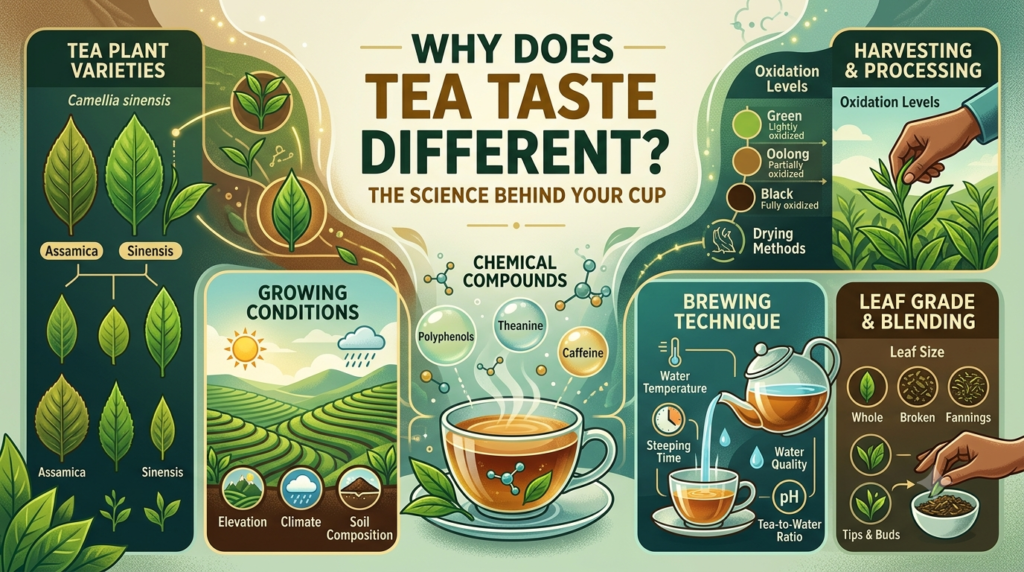
The difference isn’t simply about the type of tea. Every cup is the result of a fascinating interaction between the tea plant, its growing environment, processing methods, and brewing conditions.
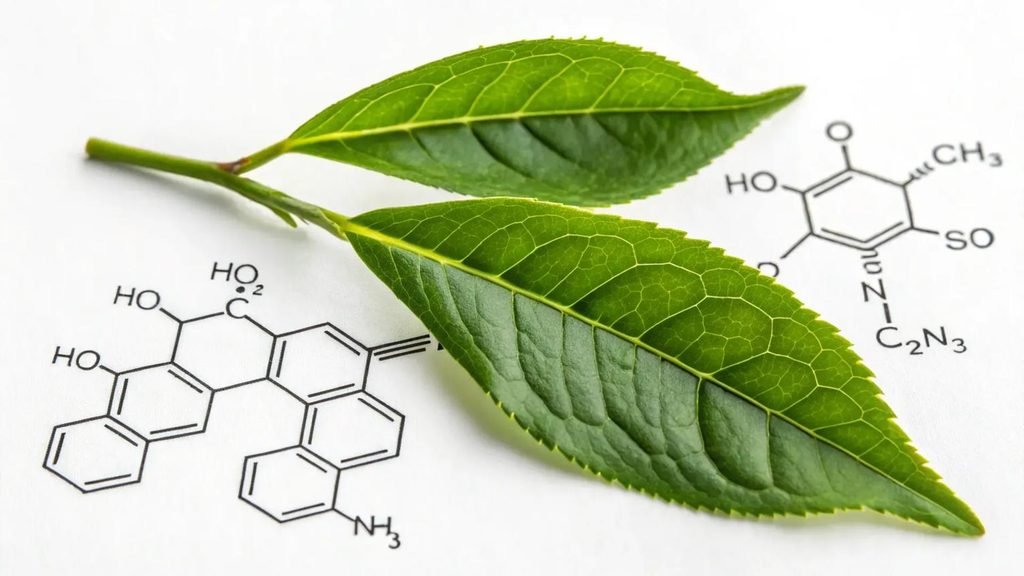
Tea leaves contain hundreds of chemical compounds. During cultivation, processing, and brewing, these compounds interact to create the aromas, flavours, textures, and sensations we experience in the cup.
In other words, taste begins long before the kettle boils.
Terroir: Where the Tea Grows Matters
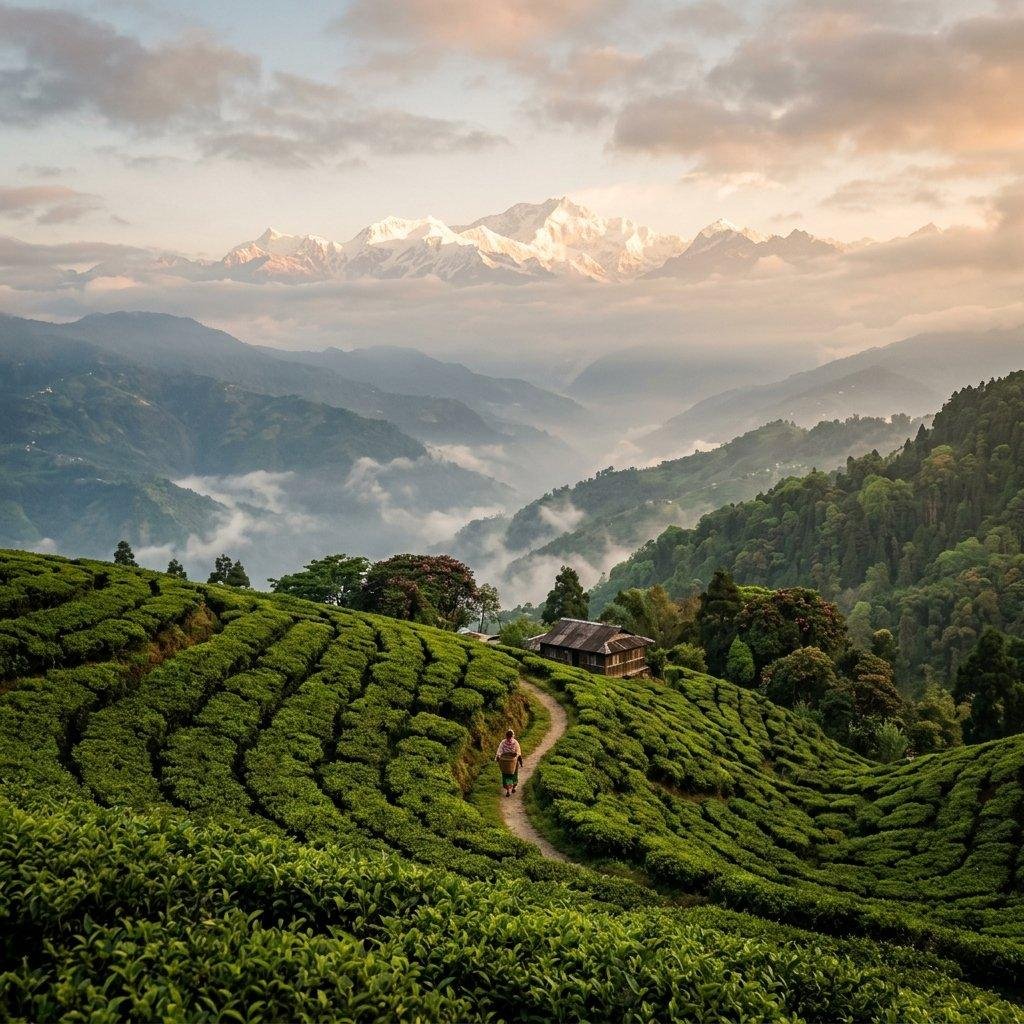
Just like wine, tea is strongly influenced by its growing environment — often referred to as terroir.
Altitude, soil, rainfall, temperature, sunlight, and surrounding vegetation can all influence how the tea plant develops.
High-altitude regions such as Darjeeling tend to have cooler conditions and slower-growing tea plants. This can contribute to teas with delicate aromas, floral character, brightness, and a distinctive muscatel quality.
Lower-altitude growing regions can produce a very different profile, often with stronger body, richer colour, and more pronounced malt or earthy notes.
The plant may be the same species, but its environment changes how it grows — and ultimately, how your tea tastes.
The Chemistry Inside the Leaf
Tea flavour is largely created by naturally occurring compounds within the leaves.
Three important groups are polyphenols, amino acids, and aromatic compounds.
Polyphenols
Polyphenols contribute to tea’s astringency, bitterness, colour, and structure.
One major group is catechins. These compounds are particularly abundant in fresh green tea leaves.
During the production of black tea, oxidation changes many of these compounds, helping create the deeper colour and richer flavour associated with the finished tea.
Amino Acids
Amino acids, particularly L-theanine, contribute to tea’s savoury, smooth, and umami-like qualities.
They can help balance bitterness and create a softer sensation on the palate.
Aromatic Compounds
These compounds are responsible for much of what we identify as tea’s aroma.
Depending on the tea and its processing, they can produce impressions of flowers, fruits, honey, spices, malt, wood, or even dried fruit.
And because much of what we call “flavour” actually comes from our sense of smell, aroma plays a huge role in how we experience tea.
Oxidation Changes Everything
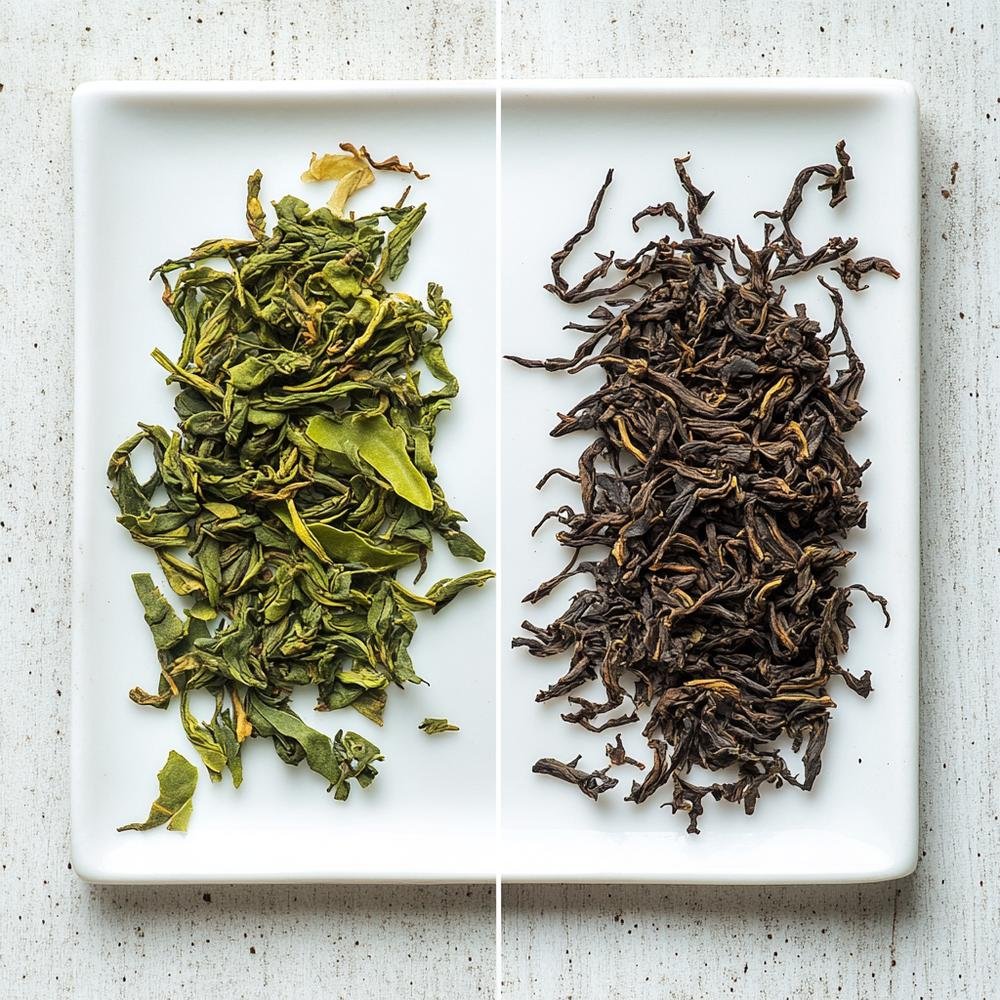
One of the biggest reasons teas taste different is oxidation.
After tea leaves are harvested, their enzymes interact with oxygen. Tea makers carefully control this process to develop particular characteristics.
Green tea is generally processed to minimise oxidation, helping preserve fresh, vegetal, and sometimes grassy or nutty characteristics.
Black tea undergoes substantial oxidation, producing deeper colours and flavours that can range from malty and fruity to woody and robust.
Oolong teas sit somewhere between these styles, with carefully controlled oxidation creating an enormous range of aromas and flavours.
So while all of these teas begin with the same basic plant, processing changes the chemistry of the leaf — and therefore changes what’s in your cup.
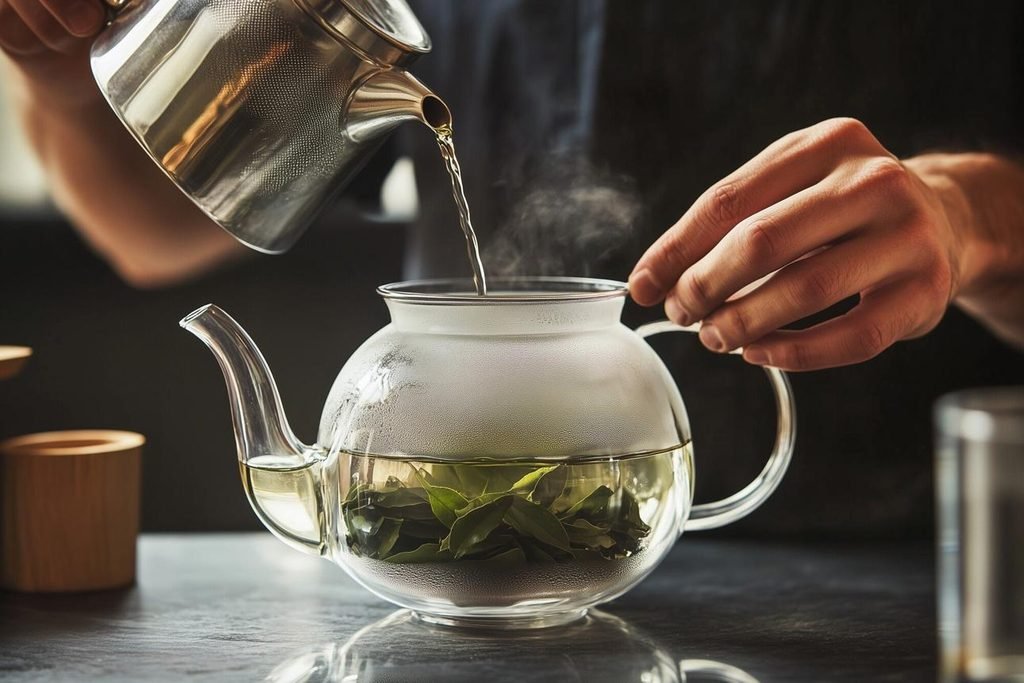
Heat and Water Extract the Flavour
Your brewing method can dramatically change the final taste.
When hot water meets tea leaves, it extracts soluble compounds from them. But different compounds dissolve at different rates.
Higher temperatures and longer steeping times generally extract more compounds, creating a stronger and sometimes more bitter or astringent cup.
Lower temperatures and shorter steeping times can produce a gentler, lighter expression.
This is why two people can use the same tea leaves and still end up with noticeably different cups.
The key variables are simple:
- Water temperature
- Steeping time
- Tea-to-water ratio
- Water quality
- Leaf size and shape
Small changes can make a surprisingly large difference.
Why Does Tea Sometimes Taste Bitter or Astringent?
Bitter and astringent are often confused, but they aren’t quite the same.
Bitterness is a taste sensation detected by your taste receptors. Certain compounds naturally present in tea can contribute to it.
Astringency, on the other hand, is the dry, puckering sensation you may feel across your mouth after drinking a strong cup.
Both can become more noticeable when tea is brewed too hot, steeped for too long, or when too many leaves are used.
If your tea tastes harsh, don’t immediately blame the tea.
Try adjusting the brewing conditions first.
Your Senses Complete the Experience

Tea doesn’t just interact with your tongue.
When you drink tea, your brain combines information from taste, smell, texture, temperature, and even visual appearance to create the overall experience.
That’s why a tea described as “floral” doesn’t necessarily contain flowers.
The phrase describes an aroma that reminds us of flowers.
Similarly, notes such as honey, citrus, stone fruit, malt, or spice are sensory descriptions that help us communicate what we’re experiencing.
The more you taste tea, the better you become at recognising these subtle differences.
The Science Behind Every Sip
A great cup of tea is the result of countless small interactions — from the soil beneath the plant to the climate around the garden, from the way the leaf is processed to the temperature of your water.
That’s what makes tea so fascinating.
The leaf provides the potential. Processing reveals its character. Brewing brings it to life.
So the next time you take a sip, pause for a moment.
Notice the aroma. Feel the texture. Look for sweetness, bitterness, brightness, or astringency.
Because behind every cup is a little bit of chemistry — and a lot of craft.
A Cup Worth Exploring
At Auryn, we believe understanding tea makes drinking it even more rewarding.
The more you know about where tea comes from and how it is made, the more you begin to notice the details hidden in every cup.