
Tea Is More Than the Leaf
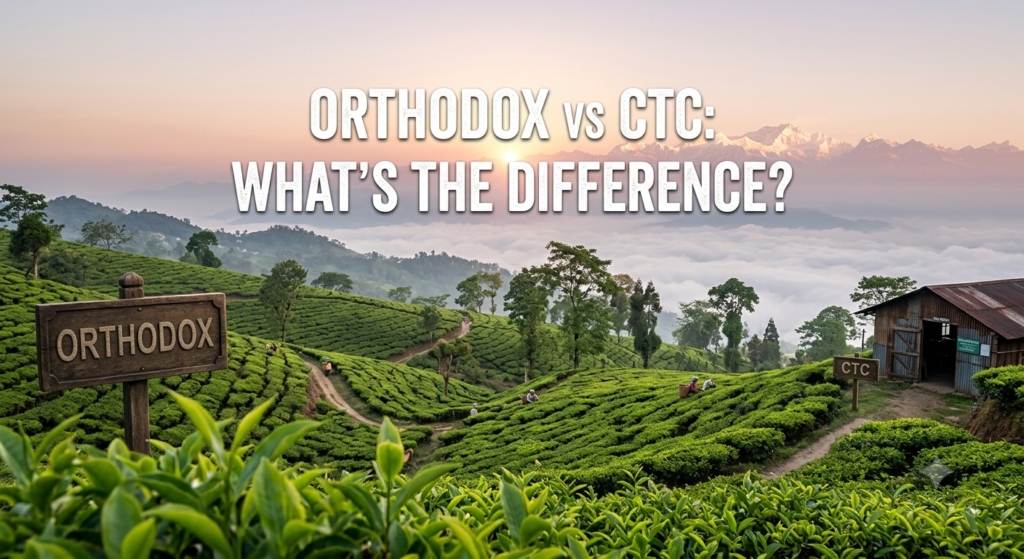
When choosing tea, you may have come across terms like Orthodox and CTC. While they might sound like grades or varieties of tea, they actually describe how the tea leaf is processed.
The difference begins after the fresh tea leaves are plucked. From there, the leaves can follow very different production methods, influencing everything from their appearance and aroma to the colour, strength and character of the final cup.
So, what makes Orthodox and CTC tea different?
What Is Orthodox Tea?
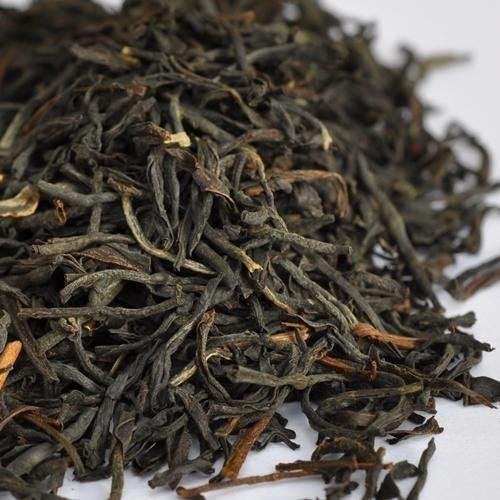
Orthodox tea refers to tea made using traditional methods that aim to preserve the structure and character of the leaf.
After plucking, the leaves are typically withered and then rolled or shaped. During rolling, the leaves are twisted and broken to different degrees before being oxidised and dried.
The result is tea with a more recognisable leaf structure.
Orthodox processing is commonly associated with teas where aroma, complexity and subtle flavour differences are important. Darjeeling tea, for example, is widely known for its orthodox styles.
Depending on the origin and flush, an orthodox tea can offer floral, fruity, muscatel, malty, woody or brisk notes.
In the cup
Orthodox teas often produce a cup that feels:
- Aromatic and layered
- More nuanced in flavour
- Lighter to medium-bodied, depending on the tea
- Suitable for slow, mindful brewing
- Visually distinctive because of the larger leaf pieces
For tea lovers who enjoy exploring the character of an origin, orthodox tea can offer a more detailed tasting experience.
What Is CTC Tea?
CTC stands for Crush, Tear, Curl — a name that describes the processing method itself.
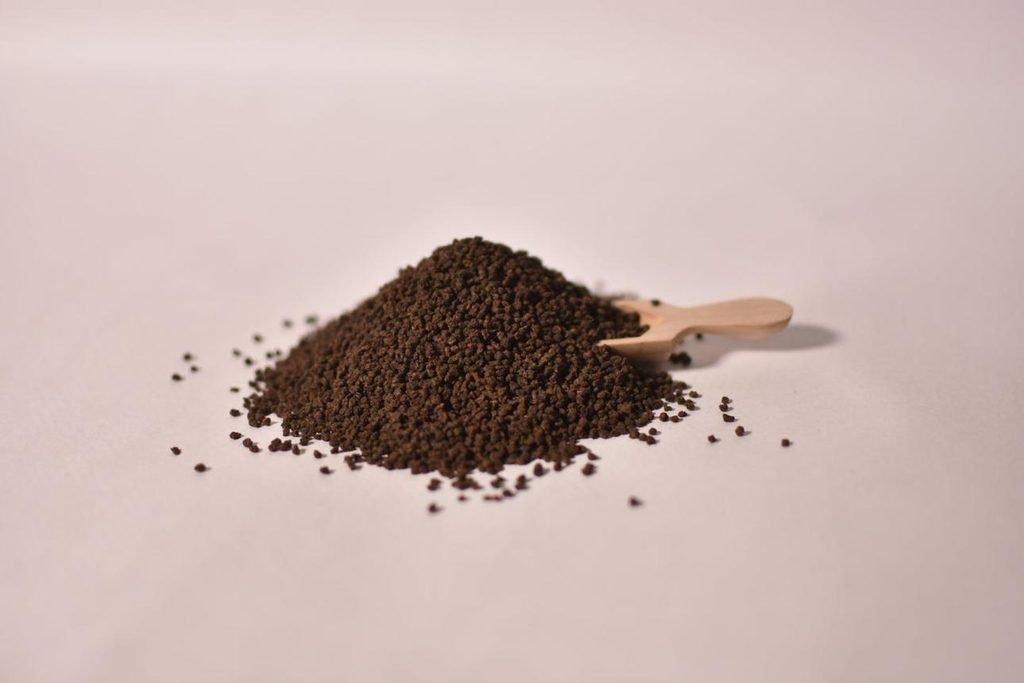
Instead of gently shaping the leaves into relatively larger pieces, CTC processing uses specialised rollers to crush, tear and curl the tea leaves into small, granular particles.
This creates a tea that brews quickly and produces a strong, bold liquor.
CTC became particularly popular in India because it works extremely well for everyday milk tea, especially the familiar style of chai enjoyed across the country.
In the cup
CTC tea is generally known for being:
- Strong and brisk
- Bold in flavour
- Quick to infuse
- Deep in colour
- Well suited to milk and sugar
- Consistent from cup to cup
That familiar robust character makes CTC a natural choice for masala chai, cutting chai and other milk-based preparations. CTC tea is generally known for being.
Orthodox vs CTC: At a Glance
| Feature | Orthodox | CTC |
|---|---|---|
| Meaning | Traditional-style processing | Crush, Tear, Curl |
| Leaf appearance | Larger, twisted or rolled leaves | Small, granular particles |
| Brewing | Generally slower | Generally faster |
| Flavour | Complex and nuanced | Strong and robust |
| Aroma | Often more pronounced | Typically more direct and powerful |
| Liquor | Varies from delicate to full-bodied | Usually strong and dark |
| Best suited for | Enjoying tea more traditionally | Milk tea and everyday chai |
| Common examples | Darjeeling, many specialty teas | Assam CTC, chai blends |
Does One Mean Better Quality?
Not necessarily.
This is one of the biggest misconceptions about Orthodox and CTC tea.
Processing style does not automatically determine quality.
A carefully produced CTC tea made from excellent leaves can create an exceptional cup of chai, while a poorly made orthodox tea will not necessarily deliver a great tasting experience.
The better question is: What kind of tea experience are you looking for?
If you enjoy delicate aromas, distinctive origin characteristics and a slower tasting experience, an orthodox tea may be the better choice.
If you want a strong, dependable cup that stands up beautifully to milk, sugar and spices, CTC may be exactly what you’re looking for.
Why Assam Produces Both
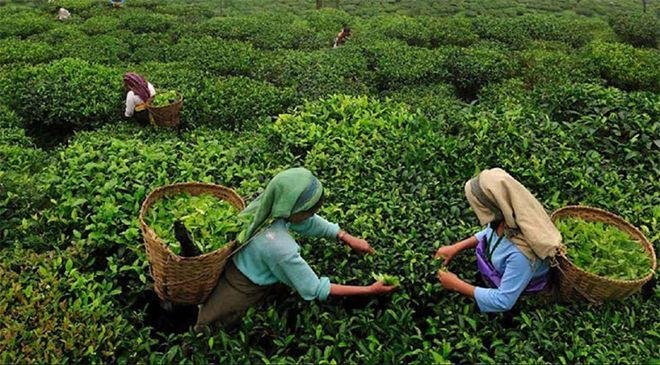
India’s tea-growing regions demonstrate this difference particularly well.
Assam is famous for producing both orthodox and CTC teas. Its warm, humid climate and fertile plains are well suited to producing leaves with a naturally strong and malty character.
Assam CTC is especially popular for everyday Indian chai, while Assam orthodox teas can offer a more layered expression of the region.
The same broad origin can therefore produce very different experiences depending on how the leaves are processed.
Which One Should You Choose?
There is no universal winner.
Think of it this way:
Choose Orthodox if you want:
Aromatic complexity, distinctive flavours, visible leaf character and a tea meant to be appreciated on its own.
Choose CTC if you want:
Strength, colour, body and a tea that pairs naturally with milk, sugar and spices.
And sometimes, the best answer is simply both.
A quiet afternoon might call for an aromatic orthodox Darjeeling. A busy morning might be better suited to a strong Assam CTC chai.
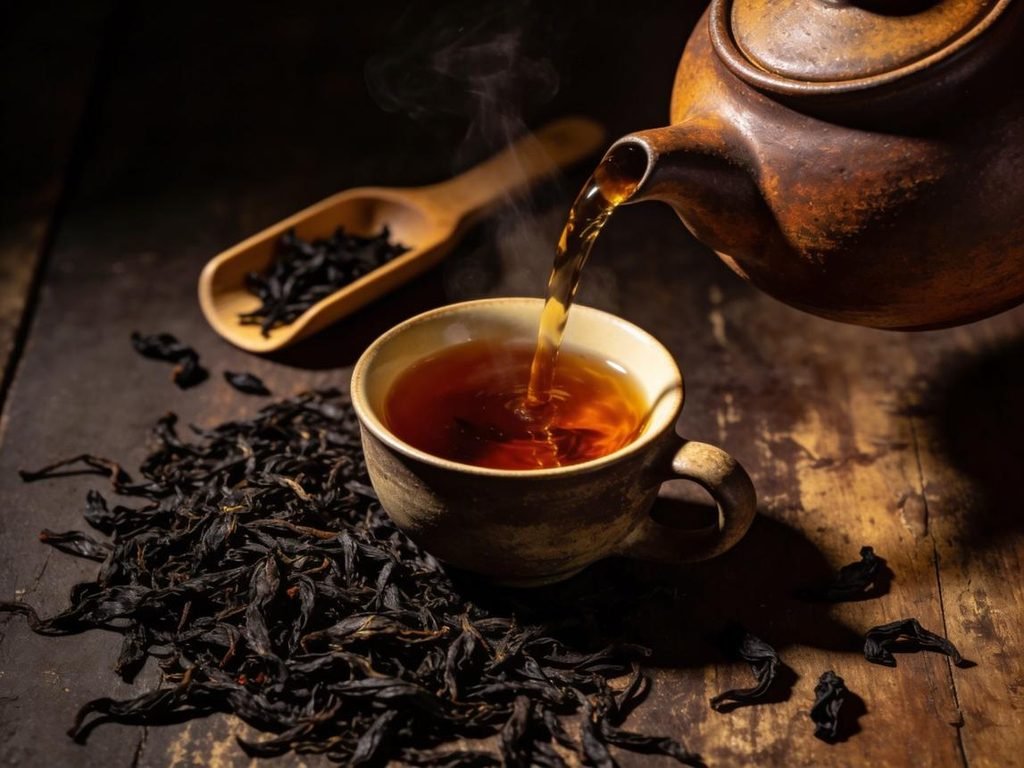
Two Methods, One Love for Tea
Orthodox and CTC are not competing definitions of good tea. They are two different approaches to transforming the same humble leaf into something that fits different moments and preferences.
One preserves more of the leaf’s structure and encourages complexity. The other focuses on strength, consistency and a powerful infusion.
Understanding the difference makes choosing tea a little easier — and every cup a little more interesting.
Because behind every good cup is a process worth knowing.