
A Language Hidden in Your Tea
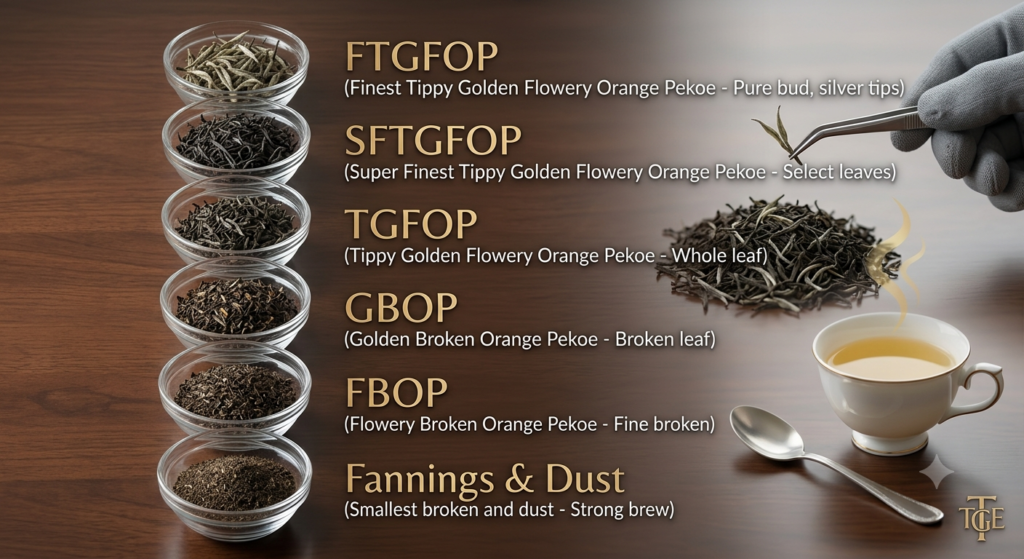
Pick up a packet of loose-leaf tea and you may come across labels such as BOP, OP, FOP, or FTGFOP.
At first glance, these combinations of letters can feel confusing. Are they quality scores? Different flavours? A ranking system?
Not quite.
Tea grades are primarily a way of describing the size, appearance, and style of the tea leaf after processing. They are especially common with orthodox black teas from regions such as Darjeeling, Assam and other traditional tea-producing areas.
And importantly, a higher number of letters does not automatically mean a better cup of tea.
To understand why, let’s decode the language of tea grades.
Does “OP” Mean?
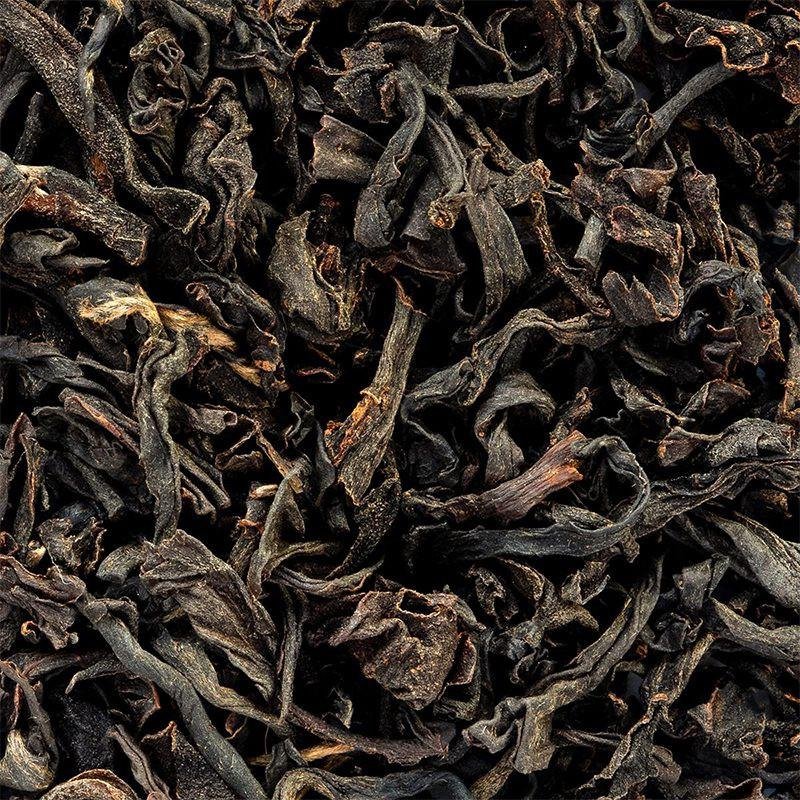
One of the most common terms you’ll see is OP, meaning Orange Pekoe.
Despite the name, Orange Pekoe does not mean the tea contains oranges or has an orange flavour.
It generally refers to a relatively large, whole-leaf style of tea.
Whole leaves tend to unfold more gradually during brewing, allowing the character of the tea to develop over time. Depending on the origin and processing, this can contribute to a lighter, more nuanced cup.
In other words, when you see OP, think primarily about leaf style and size, rather than flavour or quality.
FOP — Flowery Orange Pekoe
FOP stands for Flowery Orange Pekoe.
The word “Flowery” doesn’t necessarily mean the tea tastes floral. Instead, it traditionally indicates the presence of younger leaf material or buds alongside the larger leaves.
These teas can offer a more delicate character and are often associated with fragrant, aromatic cups.
In a tea-growing region such as Darjeeling, where altitude, weather and season strongly influence the leaf, FOP can be part of a broader spectrum of orthodox grades.
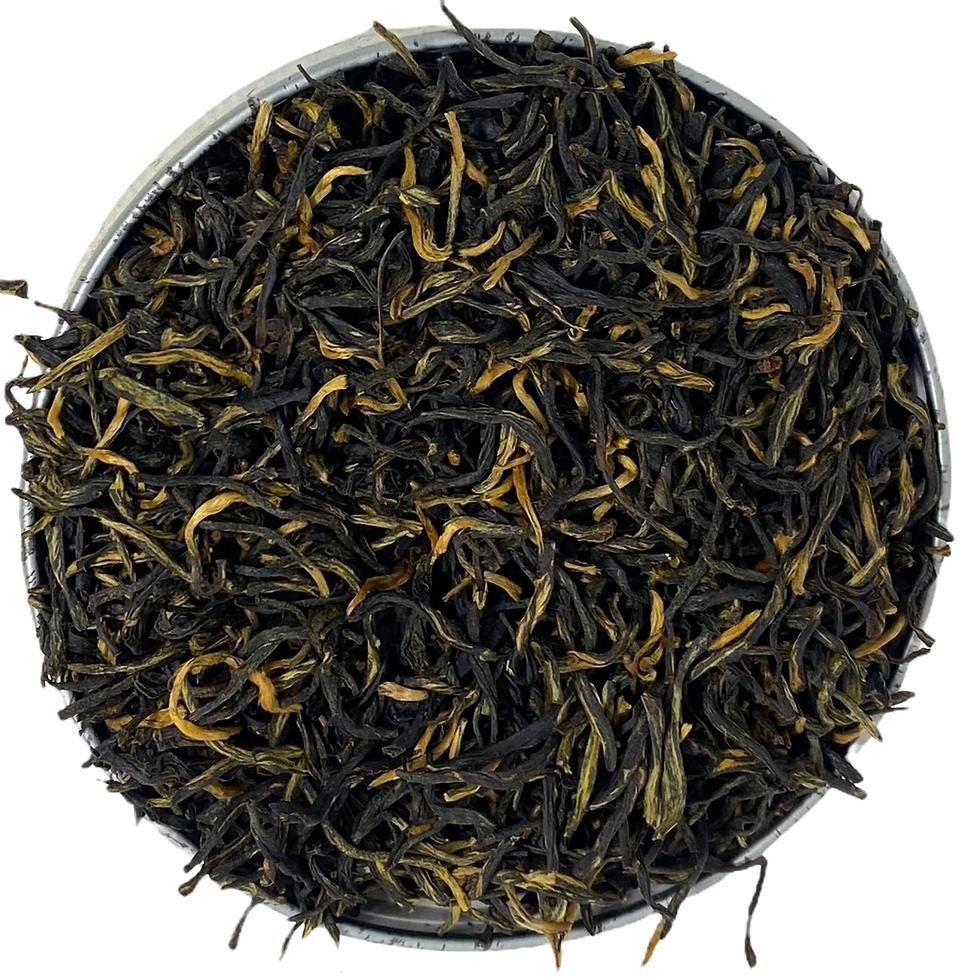
BOP — Broken Orange Pekoe
Now we come to BOP, or Broken Orange Pekoe.
As the name suggests, the leaves are broken into smaller pieces during processing.
Smaller leaf particles generally allow water to interact with more surface area, which can result in a quicker infusion and a stronger, more pronounced cup.
This makes broken grades particularly useful when you want a tea that brews relatively quickly and delivers good colour and body.
FTGFOP — The Longest Name in the Room
Then there is the famous:
FTGFOP
It stands for Finest Tippy Golden Flowery Orange Pekoe.
The terminology can vary somewhat between tea-producing regions and grading systems, but the general idea is that the grade describes a tea containing fine leaf material and a noticeable presence of young tips.
The “Tippy” part is particularly interesting.
Tea buds and young tips can contain compounds that contribute to a tea’s aroma, appearance and overall character. Golden or lighter-coloured tips are especially noticeable in some black teas.
You may also encounter:
FTGFOP1
The “1” is used by some producers and markets as a further designation within the grading system.
But remember: these labels are not universal quality scores. A FTGFOP tea isn’t automatically better than every OP tea.
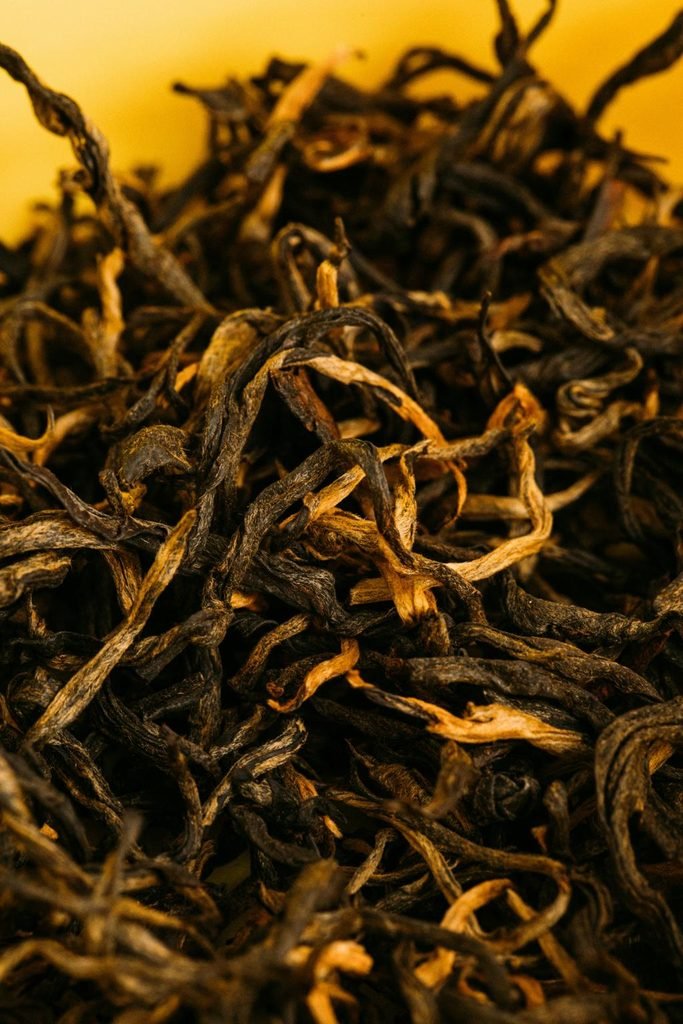
What About Dust and Fannings?
At the other end of the spectrum, you’ll encounter terms such as Fannings and Dust.
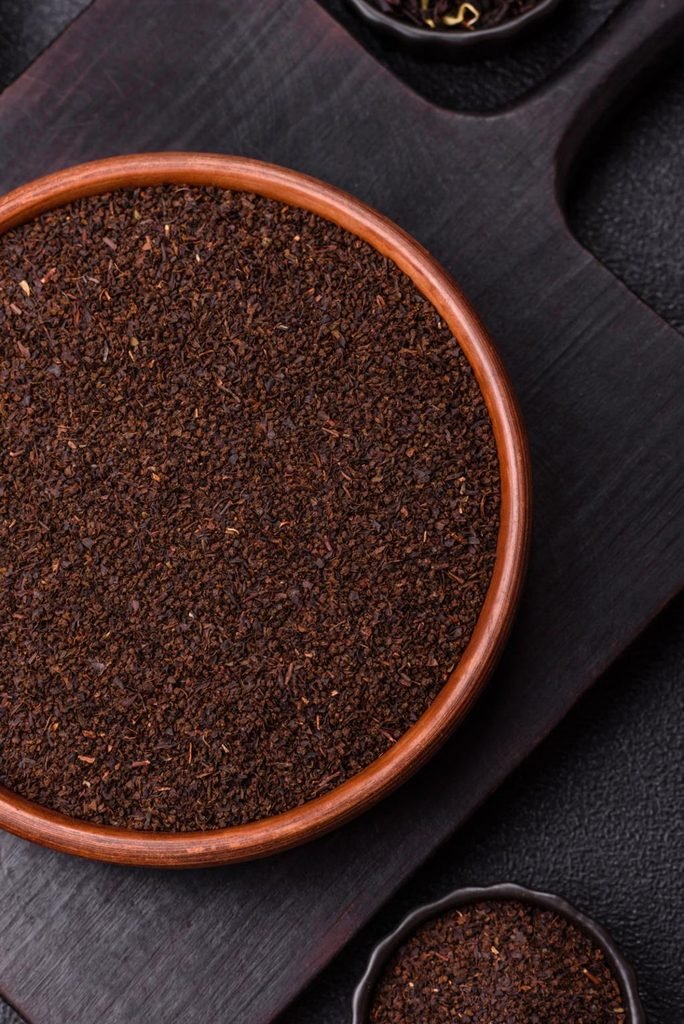
These refer to very small tea particles created during processing and sorting.
Because their smaller size allows water to interact with them quickly, they can produce a fast, strong infusion with plenty of colour and briskness.
This is one reason these grades are commonly used in tea bags and blends designed for quick brewing.
Whole-leaf tea and dust simply offer different brewing characteristics. One isn’t automatically “good” and the other “bad.”
A Simple Tea Grade Cheat Sheet
| Grade | What it generally indicates |
|---|---|
| OP | Larger, whole-leaf style |
| FOP | Flowery/younger leaf characteristics |
| BOP | Broken leaves; faster, stronger infusion |
| FTGFOP | Fine, tippy, flowery whole-leaf style |
| Fannings | Small tea particles |
| Dust | Very fine tea particles |
These descriptions can vary depending on the tea origin, producer and grading convention.
Does a Higher Grade Mean Better Tea?Does a Higher Grade Mean Better Tea?
This is where things get interesting.
Not necessarily.
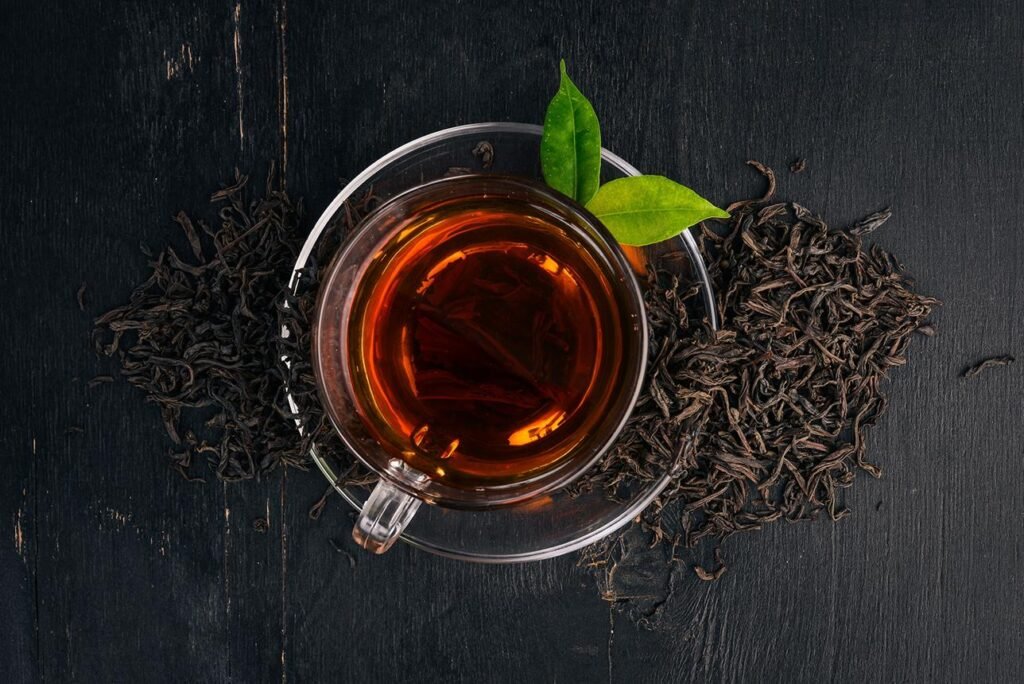
Tea grading primarily describes the physical characteristics of the leaf, not a universal ranking of taste or quality.
A beautifully made BOP can produce a more enjoyable cup for you than a whole-leaf tea with a more elaborate grade.
Why?
Because the final character of tea depends on much more than leaf size.
Origin, altitude, cultivar, season, weather, soil, processing, oxidation, freshness and brewing method all influence the final cup.
This is especially important with teas such as Darjeeling, where the same garden can produce very different expressions throughout the year.
Grade vs. Taste: What Should You Look For?
Think of tea grade as one piece of information, not the entire story.
If you prefer a delicate and aromatic cup, you may enjoy a whole-leaf tea with plenty of young tips.
If you prefer a stronger morning brew, a broken-leaf grade may be more suitable.
And if convenience and speed matter most, smaller particles can produce a quick, robust infusion.
Ultimately, the best tea is the one that matches your palate and your brewing style.
The Letters Tell Part of the Story
Tea grades may look complicated, but they become much easier once you know what you’re looking at.
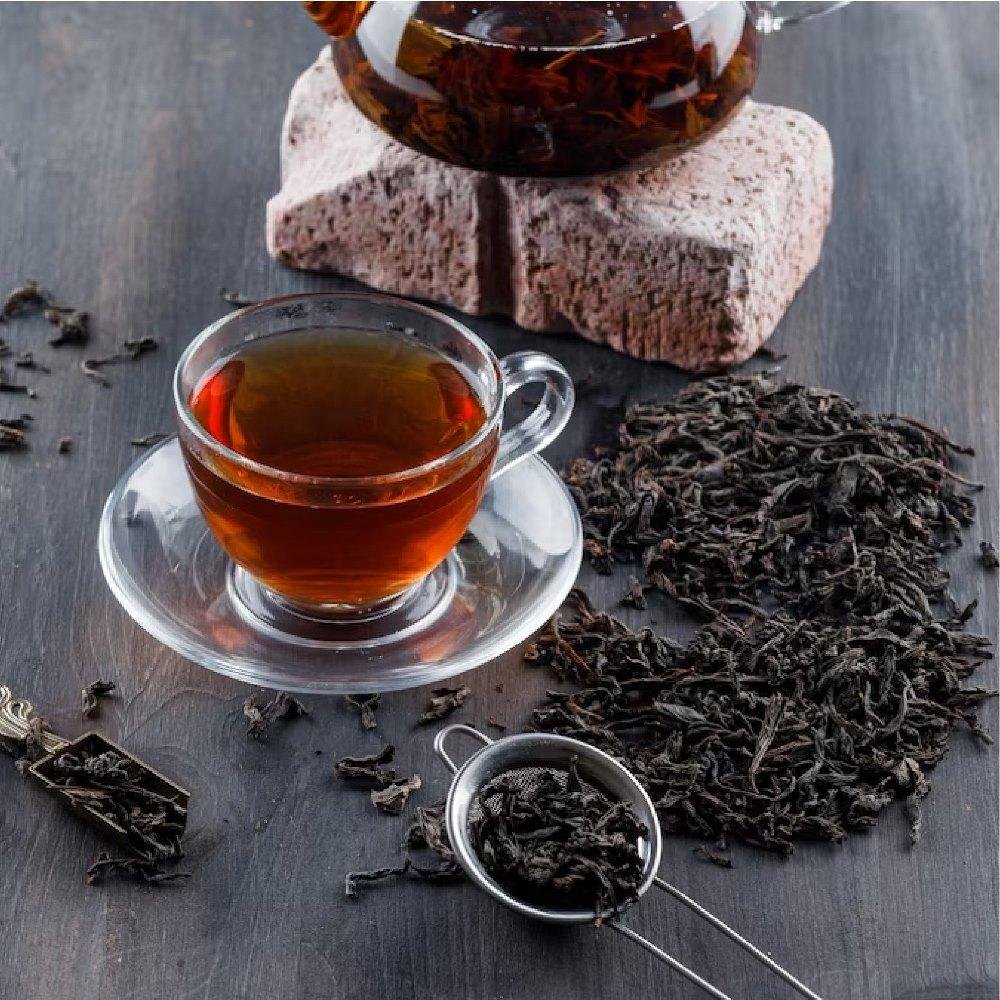
OP, FOP, BOP and FTGFOP aren’t secret quality scores. They are part of a traditional vocabulary used to describe the physical character of processed tea leaves.
So the next time you see a long string of letters on a tea package, don’t let it intimidate you.
Look beyond the letters.
Consider where the tea comes from, when it was harvested, how it was made — and most importantly, how you want it to taste in your cup.
Because great tea isn’t simply about the grade.
It’s about the journey from leaf to cup.