
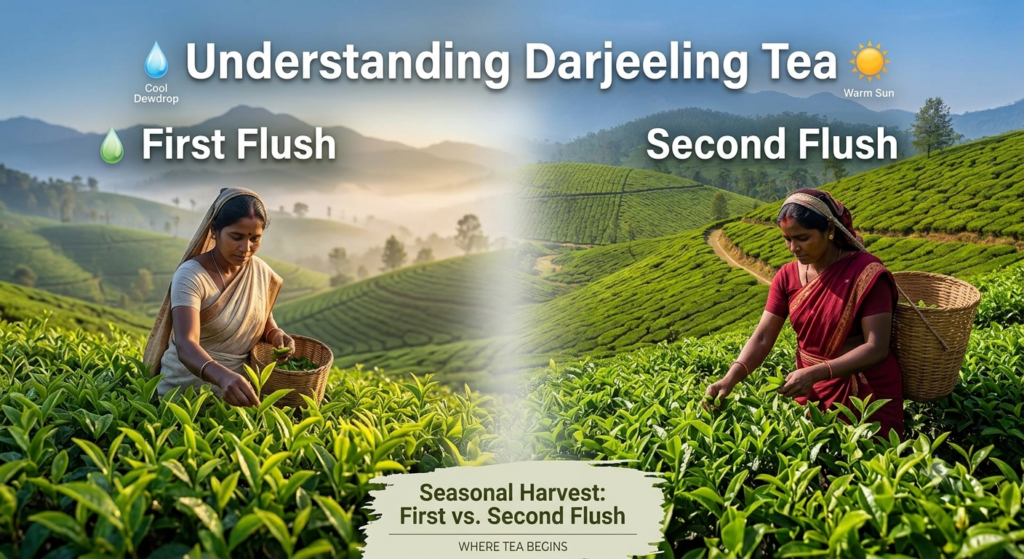
When it comes to Darjeeling tea, few terms are as important—or as often misunderstood—as First Flush and Second Flush.
Both come from the same mist-covered Himalayan tea gardens, but the season in which the leaves are harvested can dramatically influence their aroma, colour, flavour, and character.
So, what really separates First Flush from Second Flush?
The First Flush: Freshness in a Cup
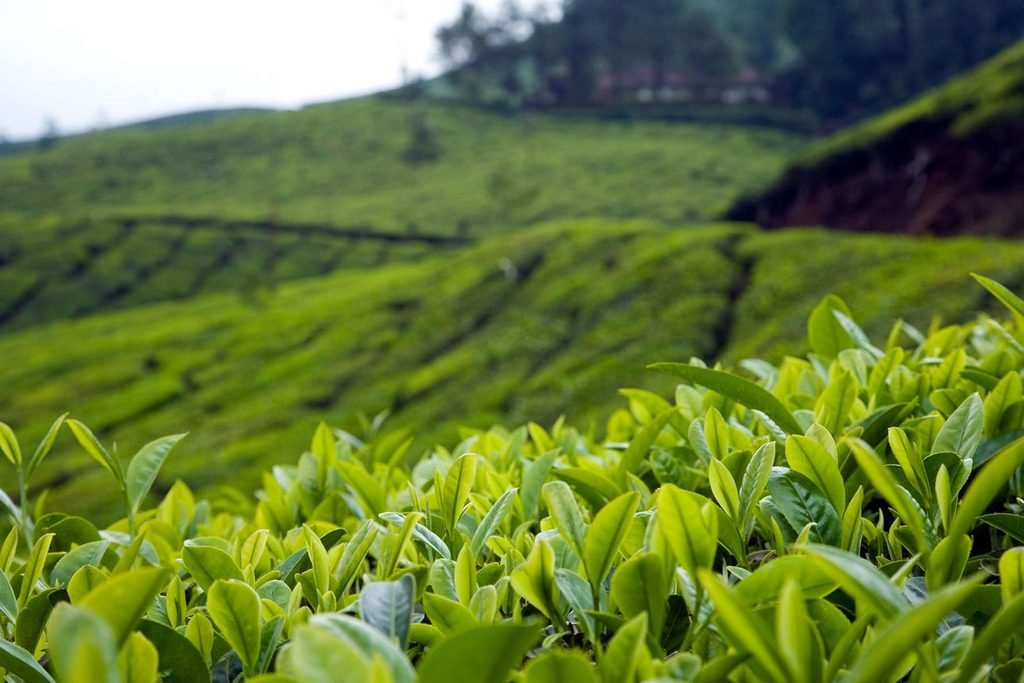
The First Flush is the first major harvest of the Darjeeling tea season, generally beginning around March and continuing into April.
After the cooler winter months, the tea plants awaken and produce fresh, tender shoots. These young leaves are carefully plucked and processed into tea with a focus on preserving their delicate character.
In the cup, First Flush Darjeeling is often recognised for its:
- Light golden or pale liquor
- Fresh, floral aroma
- Delicate body
- Bright, lively character
- Subtle fruity and vegetal notes
Some exceptional First Flush teas can have a distinctive muscatel-like or floral fragrance, although the classic deep muscatel character is more strongly associated with Second Flush.
Think of First Flush as the spring expression of Darjeeling—bright, elegant and refreshing.
The Second Flush: Depth and Character
The Second Flush arrives later, usually between May and June, when the weather becomes warmer and the tea bushes experience different growing conditions.
The leaves develop differently during this period, resulting in a tea that is generally fuller and more expressive than First Flush.
Second Flush Darjeeling is known for:
- A deeper amber or coppery liquor
- Fuller body
- Richer aroma
- Fruity and woody undertones
- The celebrated muscatel character
What is muscatel?
Muscatel is one of the most distinctive characteristics associated with high-quality Darjeeling tea.
It is often described as a complex combination of ripe fruit, sweetness, floral notes and a subtle grape-like character. Rather than tasting like grape juice, it is more about the aromatic impression and layered sweetness that develops in the cup.
This complexity is one reason Second Flush Darjeeling is highly appreciated by tea enthusiasts around the world.
First Flush vs Second Flush
The easiest way to understand the difference is to think about seasonal personality.
| Characteristic | First Flush | Second Flush |
|---|---|---|
| Harvest | March–April | May–June |
| Liquor | Pale golden | Amber to copper |
| Body | Light and delicate | Fuller and richer |
| Aroma | Floral, fresh, bright | Fruity, warm, complex |
| Character | Lively and elegant | Deep and expressive |
| Signature notes | Floral, fresh, vegetal | Muscatel, fruity, woody |
These are general characteristics rather than strict rules. The final profile can vary significantly depending on the tea garden, elevation, cultivar, weather, processing style and plucking standard.
Why Does the Same Garden Produce Different Tastes?
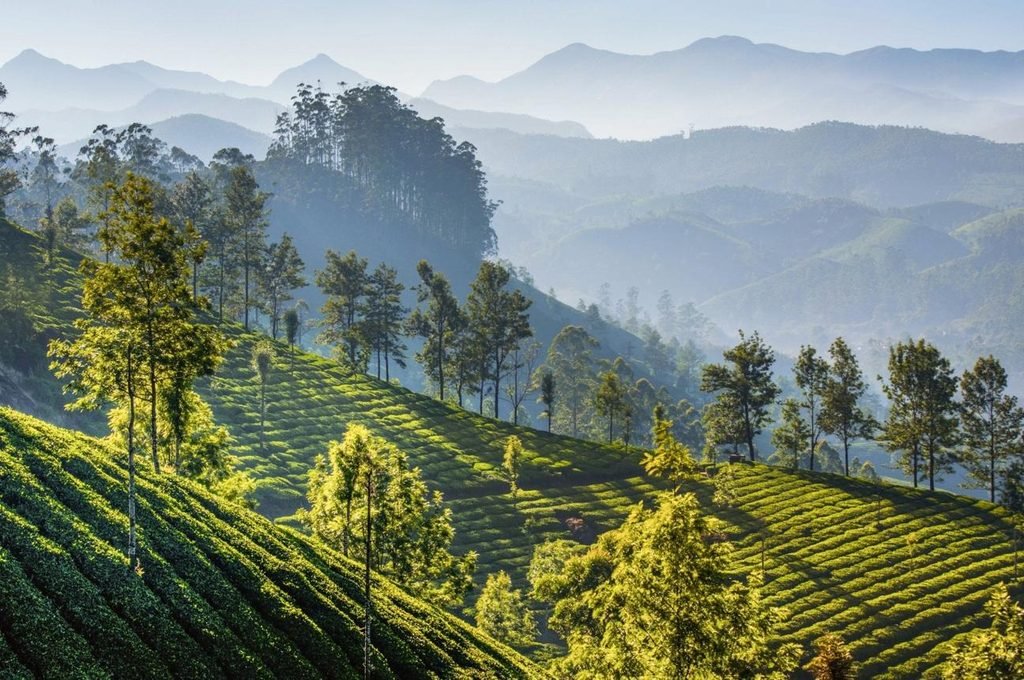
This is where the magic of terroir comes into play.
A tea garden isn’t simply a place where tea grows. Its altitude, soil, rainfall, temperature, sunlight and surrounding vegetation all influence how the plant develops.
But these conditions also change throughout the year.
During spring, cooler temperatures and fresh growth contribute to the delicate character associated with First Flush. As the season progresses, warmer conditions and changing levels of sunlight and rainfall influence the leaves differently.
The result is fascinating: one garden can produce multiple expressions of Darjeeling tea throughout the year.
Which One Should You Choose
There isn’t a universal winner.
If you enjoy light, floral and refreshing teas, First Flush may be your perfect match.
If you prefer richer, fruitier and more complex flavours, Second Flush is worth exploring.
And if you’re new to Darjeeling tea, tasting both is one of the best ways to understand how dramatically a harvest season can influence the same tea-growing region.
At Auryn, we believe tea is not simply about choosing a flavour. It is about discovering where that flavour comes from.
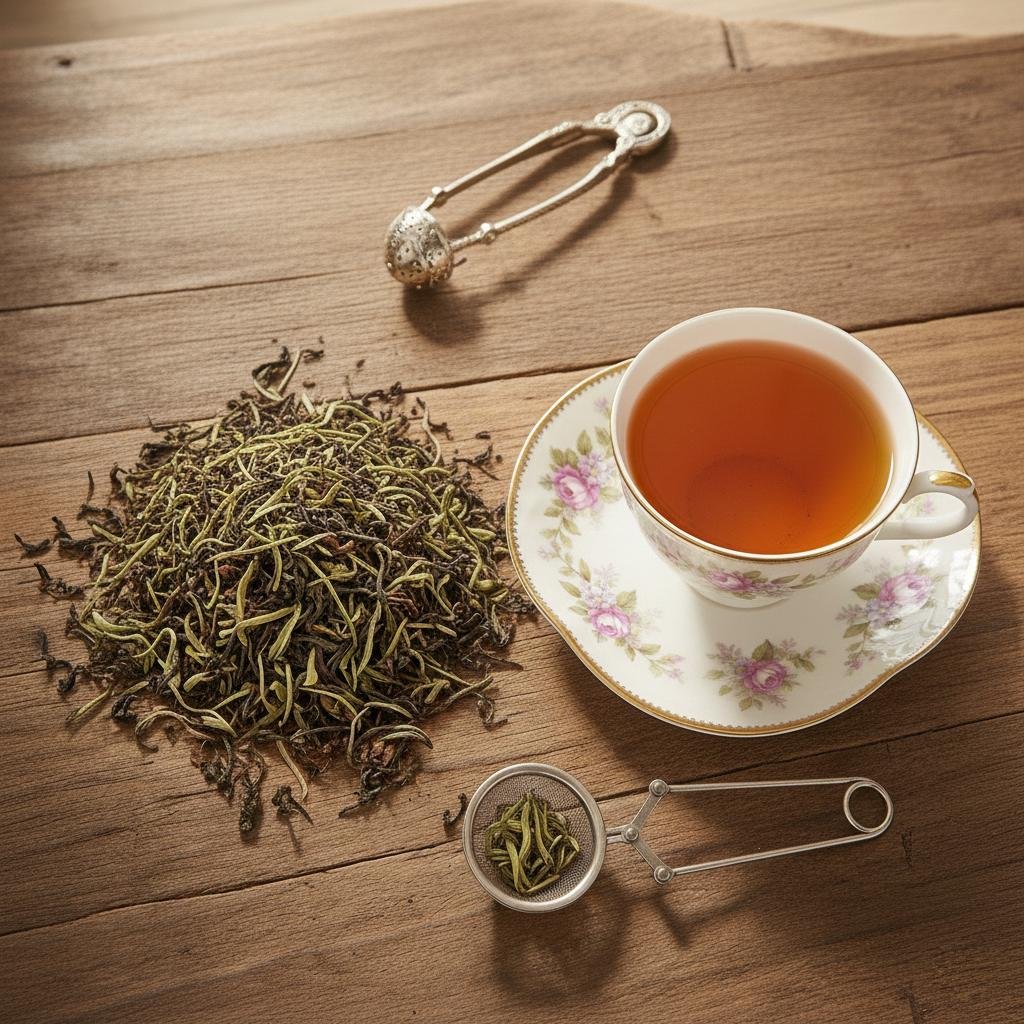
A Tale of Two Seasons
First Flush and Second Flush represent two different moments in the life of Darjeeling tea.
One captures the freshness of spring. The other reveals the depth that develops as the season progresses.
Both carry the character of the Himalayan landscape—but they tell different stories.
First Flush is the beginning. Second Flush is the expression.
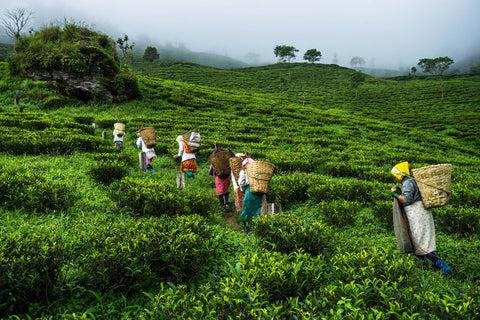
And somewhere between the mist, the mountains and the careful hands that pluck each leaf, Darjeeling reveals why its tea is unlike any other.