
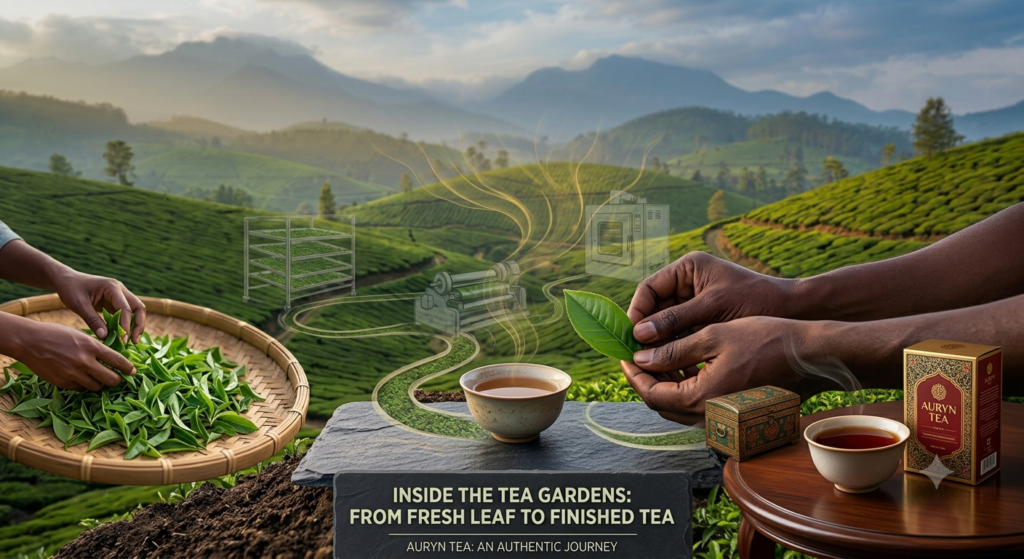
Where the Journey Begins
A finished cup of tea may look simple, but the journey behind it is anything but.
From the moment tender leaves are plucked in the garden to the moment they are brewed in your cup, tea passes through a carefully controlled series of stages. Each step influences its aroma, appearance, flavour, and character.
While methods vary between tea types and regions, the journey generally follows a simple path:
Plucking → Withering → Rolling → Oxidation → Drying → Sorting → Packing
Understanding this process offers a new appreciation for what is inside every carefully made cup.
Plucking: The First Step
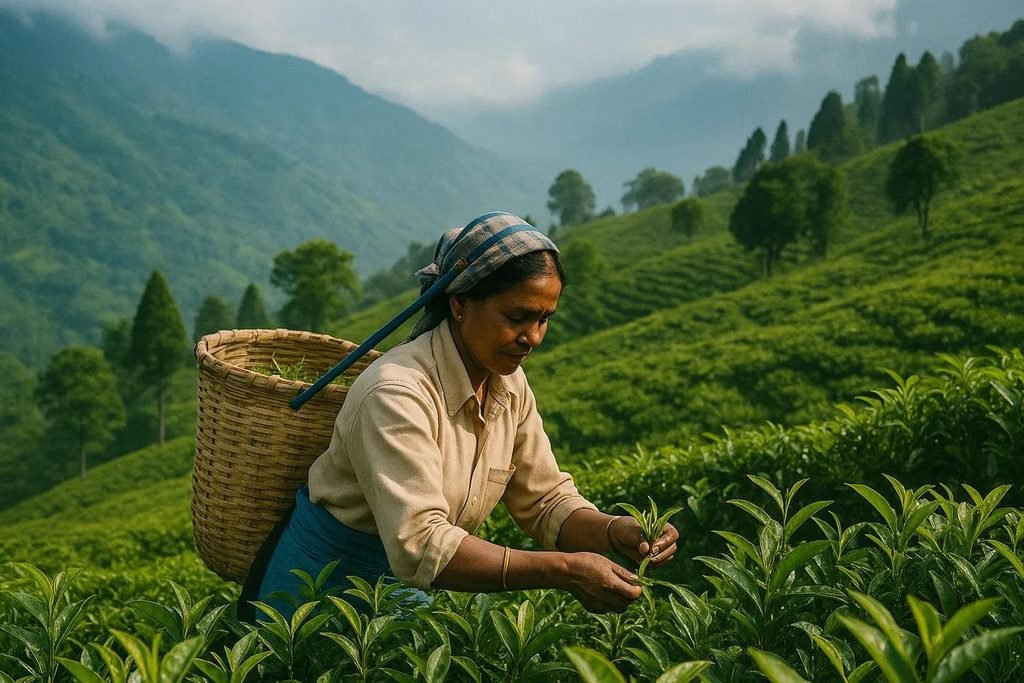
The story begins in the tea garden.
Tea leaves are usually harvested by hand, particularly when quality and precision are priorities. Skilled pluckers select young, tender growth — often the two youngest leaves and an unopened bud, commonly known as the “two leaves and a bud.”
Timing matters. The condition of the leaf at harvest can influence how it behaves during processing and ultimately affects the character of the finished tea.
In regions such as Darjeeling, the surrounding altitude, climate, soil, and seasonal conditions add another layer of character to the freshly harvested leaf.
Withering: Preparing the Leaf
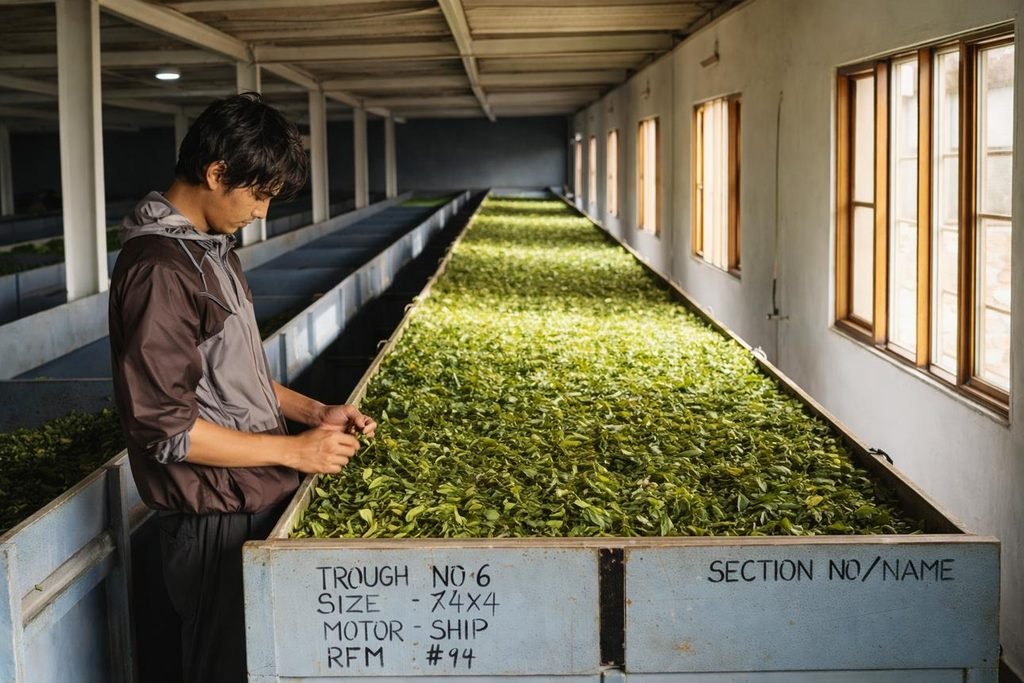
Once harvested, the leaves are taken to the factory, where one of the first major stages begins: withering.
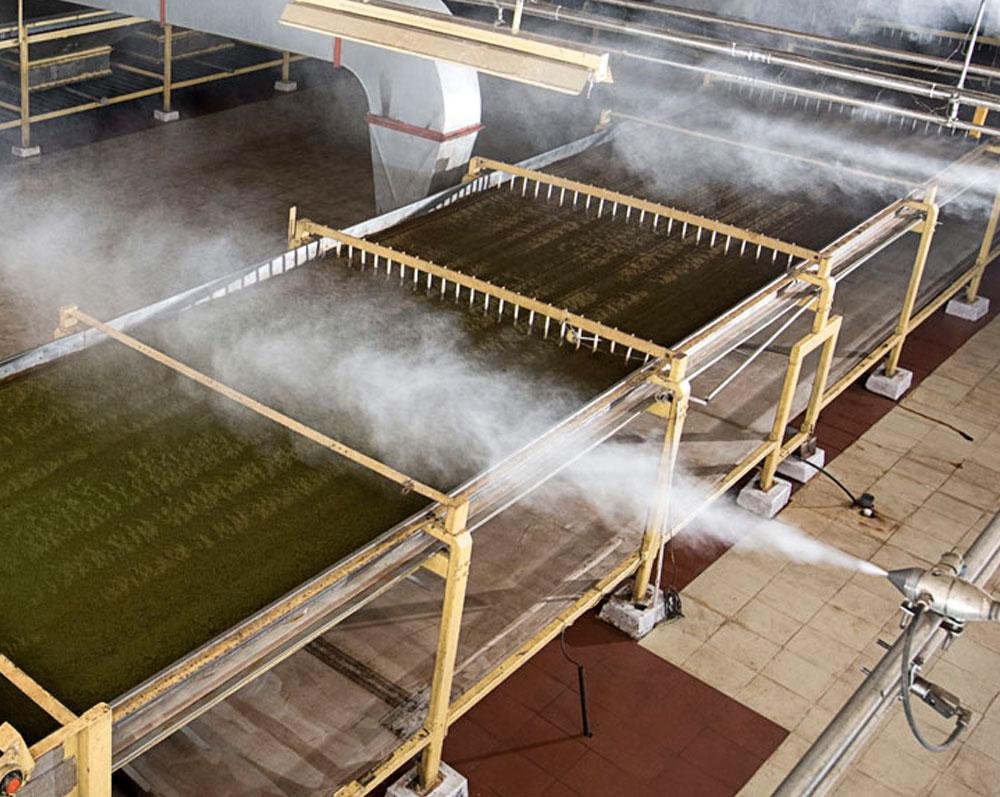
Fresh tea leaves contain a significant amount of moisture. During withering, the leaves are spread out in a controlled environment, allowing moisture to gradually escape.
But withering does more than soften the leaves.
As the leaves rest, their chemistry begins to change. They become more flexible and develop early aromatic characteristics that will continue evolving through the later stages of production.
The balance is important. Too little or too much withering can influence the final tea.
Rolling: Shaping the Leaf
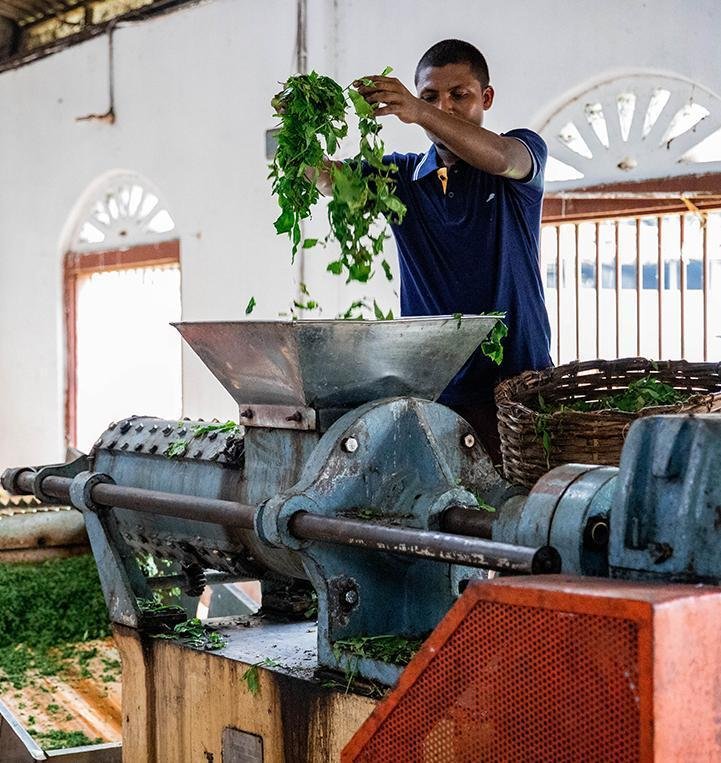
After withering comes rolling.
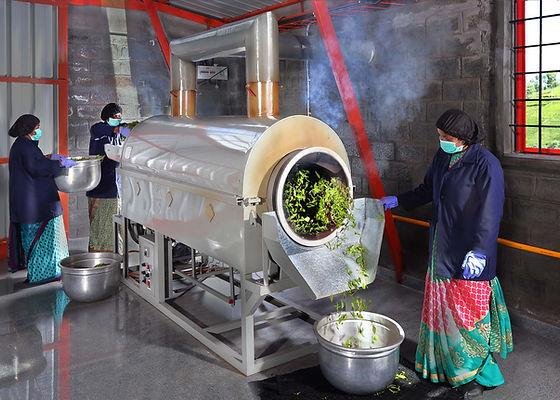
The softened leaves are gently rolled, twisted, or shaped using traditional or modern machinery. This process breaks down the leaf structure and helps release its natural juices and compounds.
Rolling also gives the tea its recognizable appearance.
Different styles of tea require different approaches. Some teas are rolled tightly, while others retain a more open, whole-leaf appearance.
The shape is not simply about looks — it is part of how the tea develops during processing and brewing.
Oxidation: Where Character Develops
For many black teas, oxidation is one of the most important stages.
Once the leaf is rolled, it is exposed to oxygen under carefully controlled conditions. The leaves gradually change in colour, aroma, and chemical composition.
This is where much of the familiar character of black tea develops — from deeper colour to richer aromas and flavour notes.
Oxidation is carefully monitored because timing can significantly influence the final profile.
It is also important to remember that oxidation is not the same as fermentation, although tea is sometimes described that way informally.
Different tea styles stop this process at different points, creating very different cups from the same basic plant.
Drying: Locking in the Tea
Once the desired level of processing has been reached, the leaves are dried.
Heat reduces the remaining moisture and effectively brings the transformation process to a halt. This helps stabilize the tea and prepares it for storage.
The drying stage also contributes to the aroma and flavour of the finished leaf.
At this point, what began as a fresh green leaf has become the familiar dry tea we recognize.
Sorting and Grading
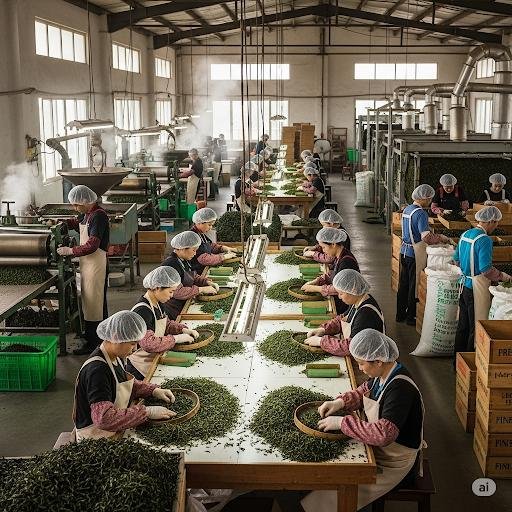
The finished tea is then sorted according to factors such as leaf size, appearance, and quality characteristics.
Depending on the tea, grading may distinguish between whole leaves, broken leaves, fannings, and dust.
It is worth noting that a grade does not simply mean “better” or “worse.” Different grades can produce different brewing characteristics, strengths, aromas, and mouthfeel.
For specialty teas, careful sorting helps ensure consistency and allows particular styles to be identified and appreciated.
From Garden to Your Cup
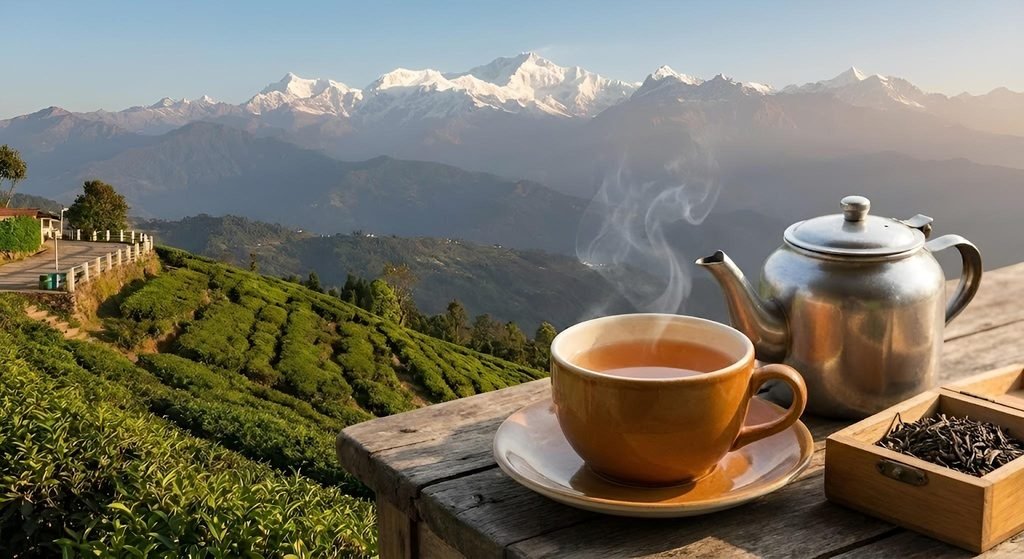
After processing, the tea is packed and prepared for its next journey — eventually reaching homes, cafés, tea rooms, and kitchens around the world.
And this is where the journey comes full circle.
A few tender leaves that were once growing on a tea bush have travelled through careful hands, controlled conditions, and several stages of transformation before becoming part of your daily ritual.
The next time you brew a cup, take a moment to notice it.
Look at the dry leaves. Observe their aroma. Watch how they open in hot water. Notice the colour and, finally, the flavour.
Because behind every cup is not just a beverage, but a process.
The Craft Behind Every Cup
Tea making is a balance between nature and precision.
The garden provides the raw material — shaped by soil, altitude, rainfall, temperature, and season. The people who harvest and process the leaves then guide that raw material through a series of carefully timed transformations.
From the first pluck to the final infusion, every stage leaves its mark.
At Auryn, we believe that understanding this journey makes the ritual of tea even more meaningful.
The next time you lift your cup, remember: its story began in the garden.