More Than Just a Leaf
When we taste a remarkable tea, we often notice its aroma first, followed by its flavour, texture, and finish.
But behind every cup is a place.
The concept of terroir — a term often associated with wine — describes how the natural environment of a region influences an agricultural product. In tea, terroir can be just as expressive.
The same tea plant variety can produce remarkably different cups when grown in different landscapes. From the misty Himalayan slopes of Darjeeling to the warm, humid plains of Assam, the environment leaves its signature on the leaf.
Altitude: Where the Air Changes the Leaf
Altitude is one of the most influential elements of tea terroir.
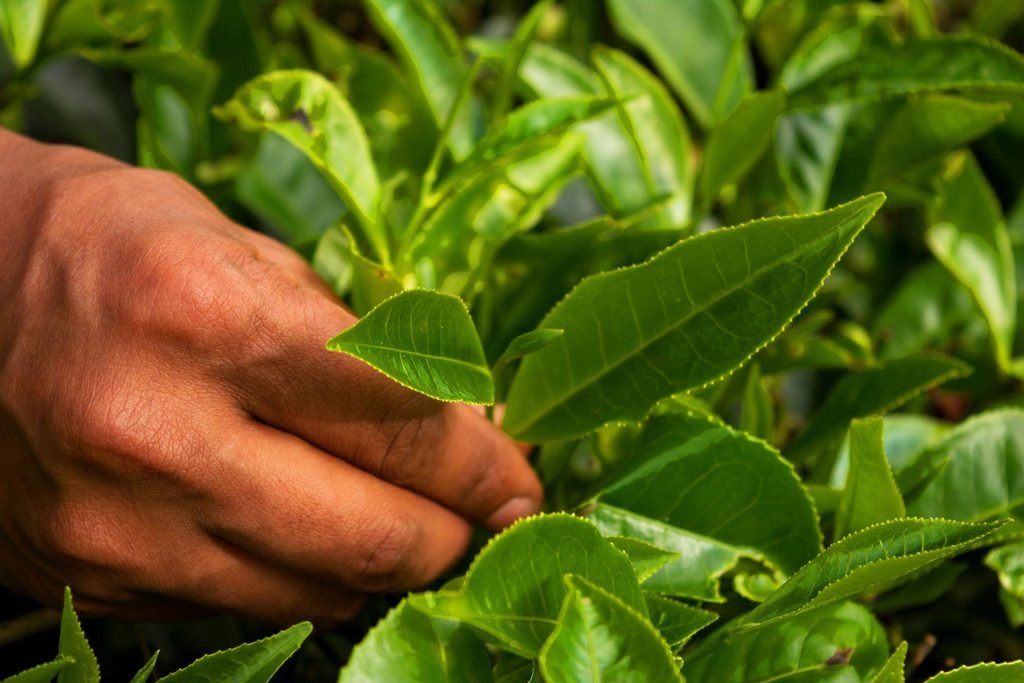
In high-altitude regions such as Darjeeling, cooler temperatures and slower plant growth allow tea leaves to develop gradually. This can contribute to delicate aromas, refined flavours, and a distinctive brightness in the cup.
By contrast, tea grown at lower elevations generally experiences warmer conditions and faster growth. Assam, for example, is known for producing teas with a fuller body, stronger character, and rich malty notes.
Altitude doesn’t simply determine quality — it helps create personality.
Soil: The Foundation Beneath Every Cup
Every tea garden begins beneath the surface.
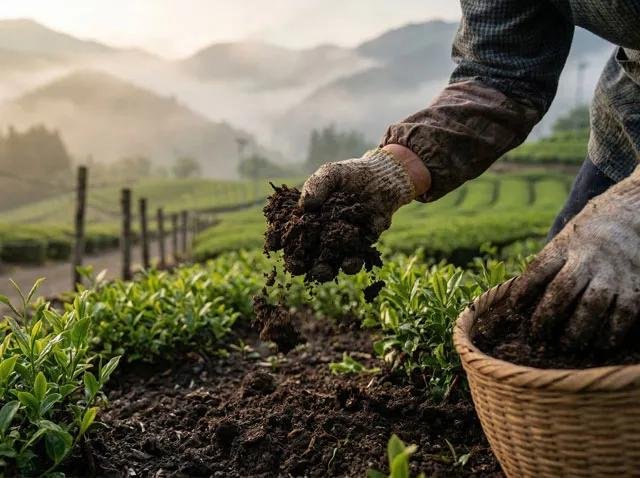
Soil composition, drainage, mineral content, and organic matter all influence how tea plants grow. While soil is only one part of the equation, it contributes to the conditions in which the plant develops.
Well-drained mountain soils can create very different growing conditions from the deeper, moisture-rich soils found in lower-altitude tea regions.
The result is subtle rather than straightforward: terroir isn’t about one ingredient creating one flavour. It is about many environmental factors working together.
Climate: Sun, Rain & Mist
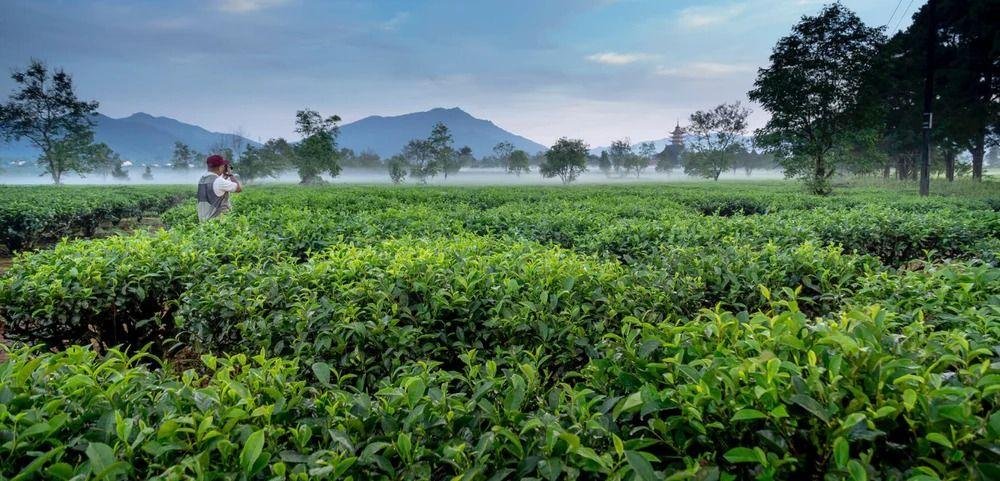
Tea is deeply connected to weather.
Temperature, rainfall, humidity, sunlight, and even cloud cover influence the growth cycle of the tea plant.
Regions receiving abundant rainfall can support vigorous growth, while cooler temperatures may slow development. Morning mist and cloud cover can also affect how much sunlight reaches the leaves.
In Darjeeling, the combination of mountain elevation, cool temperatures, rainfall, and mist contributes to the conditions behind its famously aromatic teas.
In Assam, warmer temperatures and heavy rainfall create an entirely different environment — one associated with powerful, robust teas.
Seasons Leave Their Own Signature
Terroir isn’t completely static. Even within the same garden, tea can taste different depending on when it is harvested.
This is particularly noticeable in seasonal teas from Darjeeling.
First Flush, harvested after the winter dormancy, is often celebrated for its lighter body, fresh character, and floral or fruity aromas.
As the season progresses, the character of the tea changes. Later harvests can develop greater body, depth, and richness.
The garden remains the same — but the season changes the expression of the leaf.
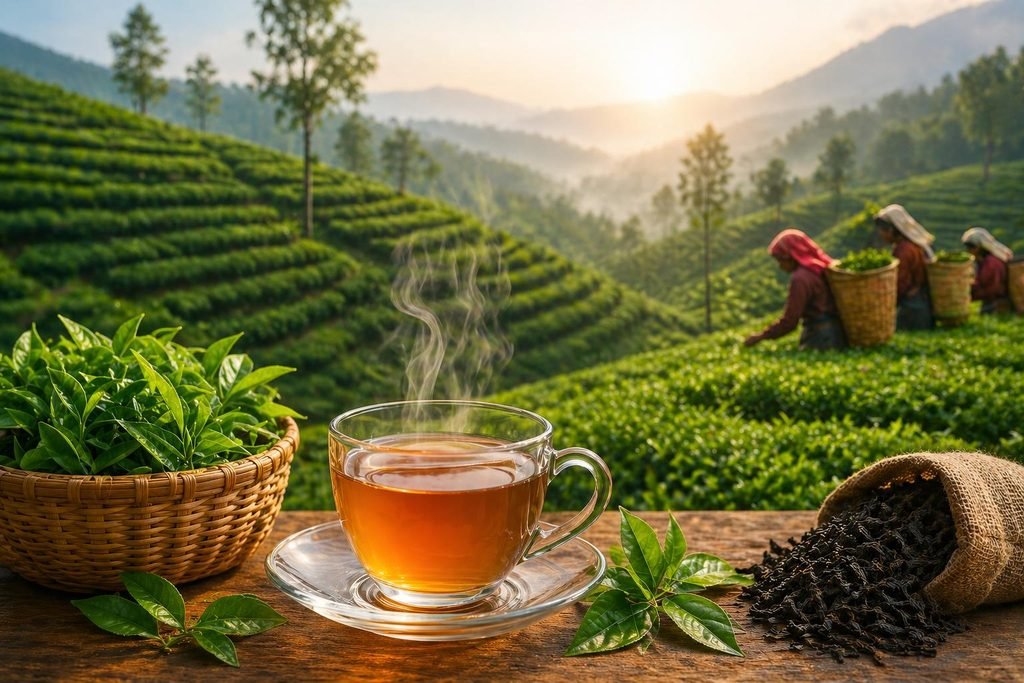
Two Regions, Two Expressions
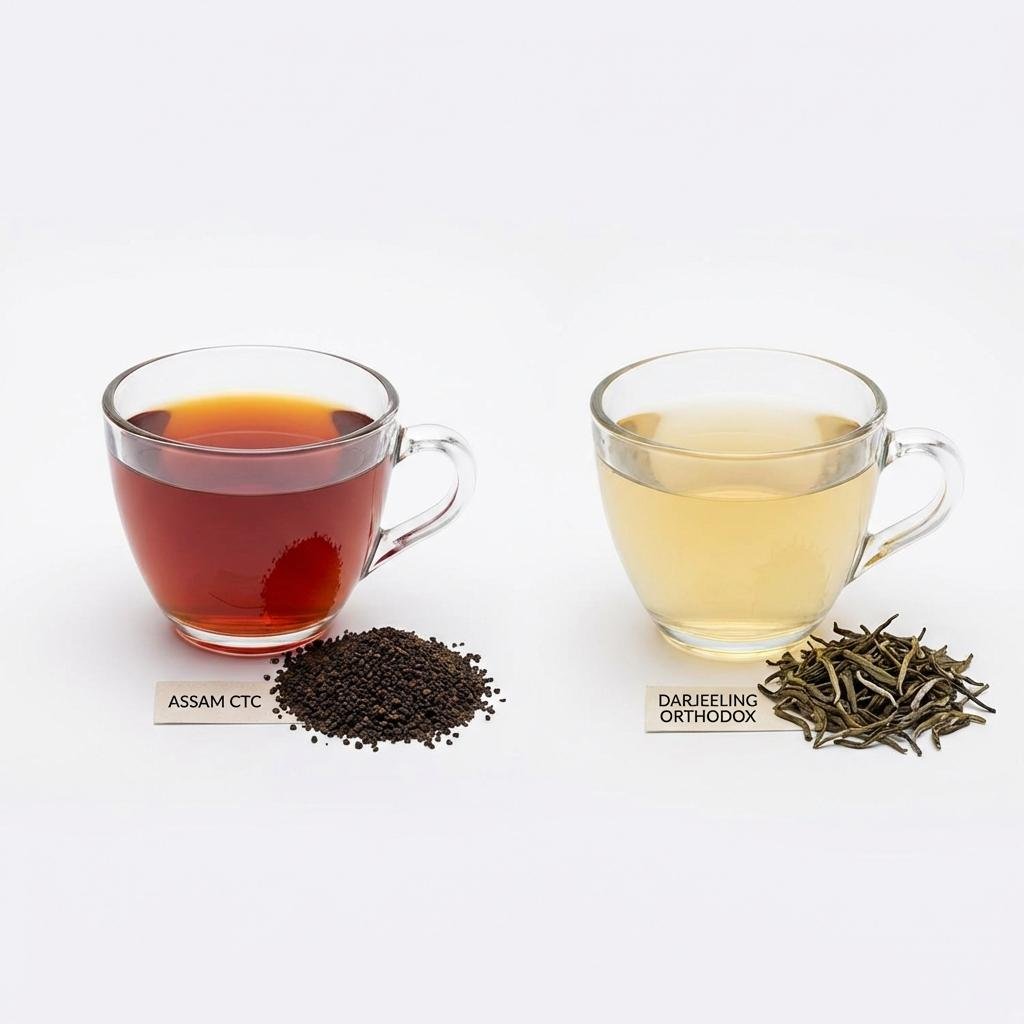
Consider two of India’s most recognised tea-growing regions: Darjeeling and Assam.
Darjeeling’s mountainous landscape and cooler climate help produce teas often associated with floral aromas, brightness, complexity, and a distinctive muscatel character.
Assam’s warmer, humid environment produces teas known for their strength, body, briskness, and malty character.
Neither style needs to imitate the other.
Their difference is precisely what makes exploring tea so fascinating.
Terroir Is a Conversation Between Nature & Craft
There is an important detail to remember: terroir doesn’t work alone.
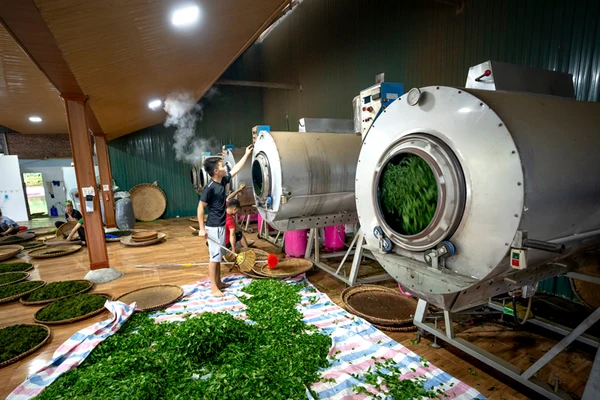
While geography provides the foundation, cultivar, plucking standards, processing, oxidation, withering, rolling, and drying all influence the final tea.
Think of terroir as the beginning of the story — not the entire story.
The same landscape can produce different expressions depending on how the leaf is cultivated and crafted.
That is why two teas from neighbouring gardens can still taste remarkably different.