

One Tea, Two Experiences
Tea is often associated with a steaming cup held between your hands. But there is another way to enjoy your favourite leaves: cold brewing.
Hot brewing and cold brewing aren’t simply two temperatures of the same method. They can create noticeably different flavours, aromas and sensations from the very same tea.
A hot cup can bring out fragrance, brightness and depth quickly, while cold brewing takes its time, producing a smoother and often more delicate infusion.
So, which one should you choose?
The answer depends on the tea, the occasion and, most importantly, your taste.
The Classic Way: Hot Brewing
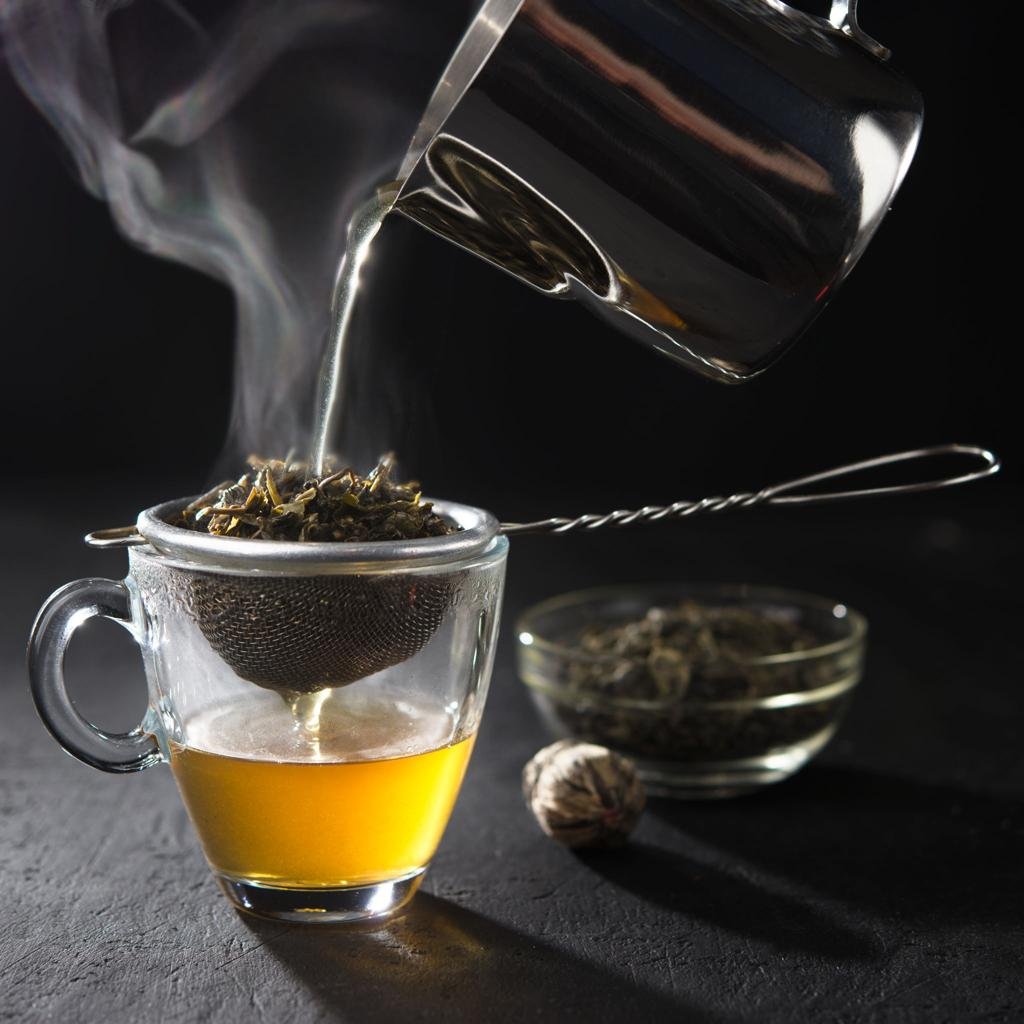
Hot brewing is the traditional method most tea drinkers know.
Simply add your tea leaves to freshly heated water and allow them to steep for the appropriate amount of time. The warmth helps extract flavour and aroma efficiently, giving you a cup that is expressive and aromatic.
Why choose hot brewing?
Hot water extracts many of tea’s flavour compounds quickly, which is why the character of a tea can become apparent within minutes.
For teas such as Darjeeling, hot brewing can highlight floral aromas, fruity notes and the distinctive character of the region. Assam teas, meanwhile, can develop a stronger, fuller-bodied cup that works beautifully on its own or with milk.
A simple starting point
For loose-leaf tea, start with approximately 2–3 grams of tea per 200 ml of water.
Use water appropriate for the type of tea and adjust the steeping time according to your preference. If the cup tastes too bitter or astringent, try using slightly cooler water or shortening the steep.
The golden rule: don’t simply brew for longer to make the tea stronger. Adjust the tea-to-water ratio instead.
The Slow Method: Cold Brewing
Cold brewing takes the opposite approach.
Instead of using hot water, tea leaves are steeped in cold or room-temperature water for several hours, usually in the refrigerator.
Because the extraction happens slowly, the resulting tea is often smoother, lighter and less aggressive on the palate.
Why choose cold brewing?
Cold water extracts flavour differently from hot water. The slower process can produce a naturally refreshing infusion with reduced bitterness and a softer mouthfeel.
It is particularly enjoyable during warm weather, when a steaming cup may not be what you are looking for.
How to cold brew
Add around 5–8 grams of loose-leaf tea to 1 litre of cold water.
Place it in the refrigerator and allow it to steep for approximately 6–12 hours. Once it reaches your preferred strength, strain the leaves and serve chilled.
You can experiment with the amount of tea and steeping time until you find your ideal balance.

Hot vs Cold: What’s the Difference?
| Hot Brew | Cold Brew | |
|---|---|---|
| Temperature | Hot water | Cold water |
| Time | Minutes | Several hours |
| Flavour | Aromatic & expressive | Smooth & delicate |
| Body | Often fuller | Usually lighter |
| Best for | Morning rituals & cosy moments | Warm days & refreshing drinks |
| Preparation | Quick | Requires planning |
Neither method is better. They simply reveal different sides of the same tea.
Which Teas Work Best?
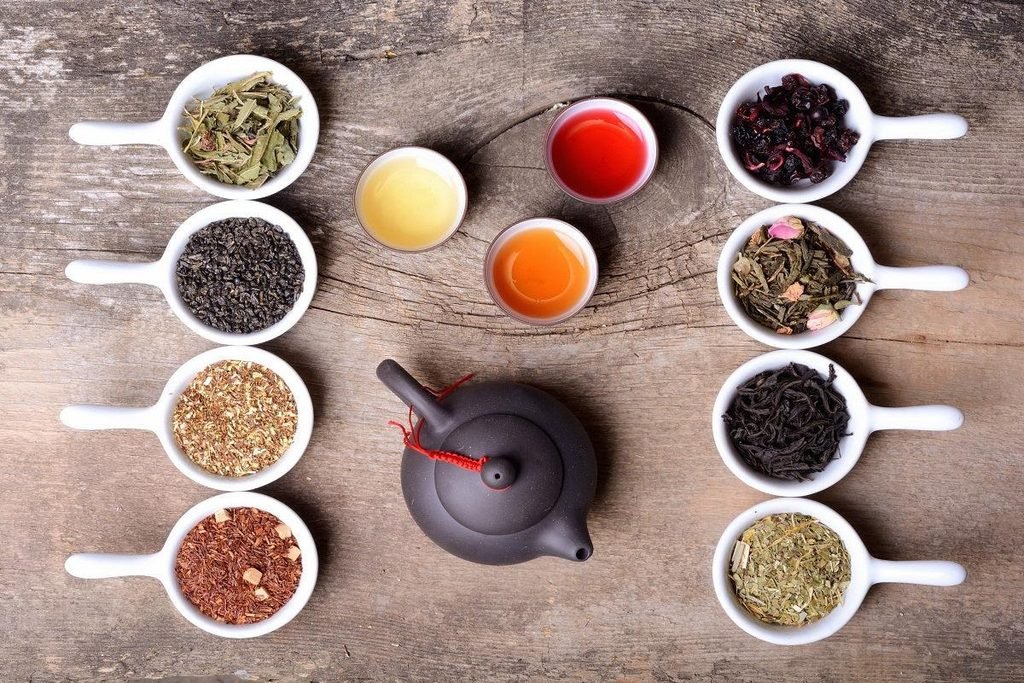
Almost any quality tea can be experimented with using both methods, but some styles naturally lend themselves to particular preparations.
Darjeeling: Cold brewing can emphasise its delicate floral and fruity character, while hot brewing brings out its signature aroma and brightness.
Assam: Hot brewing is excellent when you want a bold, malty cup. Cold brewing can create a surprisingly smooth and refreshing alternative.
Green Tea: Often excellent for cold brewing, especially when you prefer a softer, less bitter cup.
White Tea: Its delicate character can shine beautifully through a slow cold infusion.
Black Tea: Versatile enough for both methods, depending on whether you want richness or refreshment.
Add a Little Creativity
Once you’ve mastered the basics, cold-brewed tea can become much more than just chilled tea.
Try adding lemon slices, fresh mint, orange peel or a few berries after brewing. For a naturally refreshing drink, serve it over ice.
For hot tea, experiment with spices such as cinnamon, cardamom or ginger, depending on the tea you’re using.
The important thing is to let the tea remain the star
The Same Leaves, A Different Story
Hot brewing gives you immediacy: the fragrance rises from the cup, the warmth fills your hands and the flavour develops quickly.
Cold brewing asks you to slow down. The leaves take hours to release their character, resulting in a gentler and more refreshing experience.
That is the beauty of tea — there is rarely just one right way to enjoy it.
So the next time you reach for your favourite leaves, ask yourself:
Do you want it hot and aromatic, or cold and refreshing?
Either way, the journey begins with the same simple ingredient — a good tea leaf.
Brew It Your Way
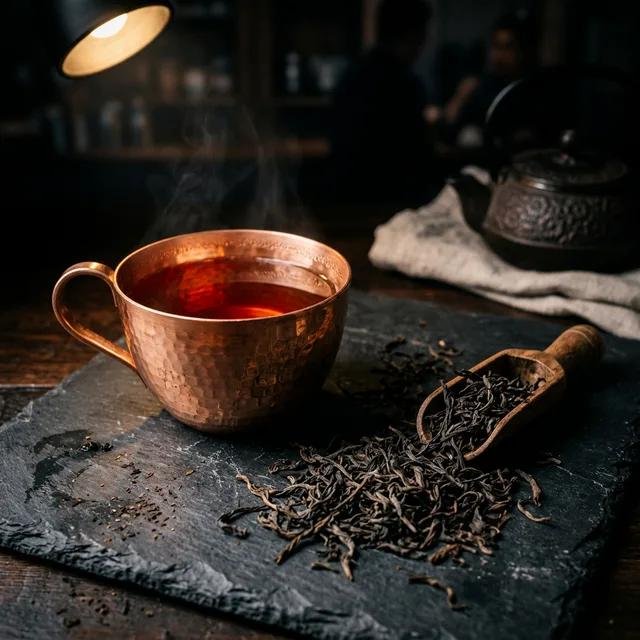
At Auryn, we believe tea is more than a beverage. It is an experience shaped by origin, leaf, water, temperature and time.
Whether you prefer the warmth of a freshly brewed cup or the refreshing simplicity of a cold infusion, take the time to discover what your tea has to offer.
One leaf. Two temperatures. Endless ways to enjoy it.