
There are few things more disappointing than looking forward to a comforting cup of tea, only to take the first sip and find it harsh, bitter, or overly astringent.
Before blaming the tea, take a closer look at how you’re brewing it.
Small changes in water temperature, steeping time, or even the amount of tea you use can completely transform the flavour in your cup.
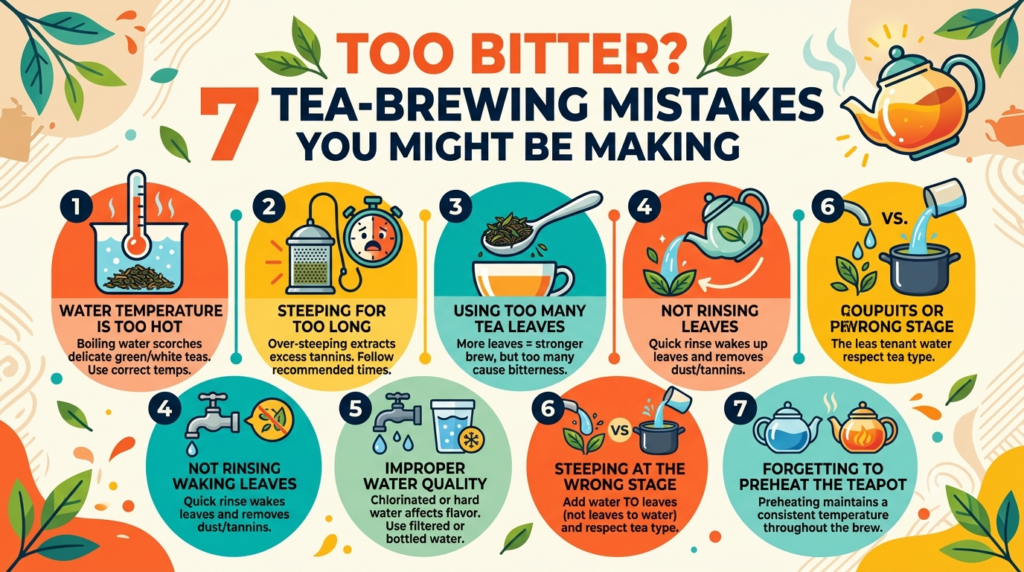
Here are seven common tea-brewing mistakes that could be making your tea taste more bitter than it should.
Using Water That’s Too Hot
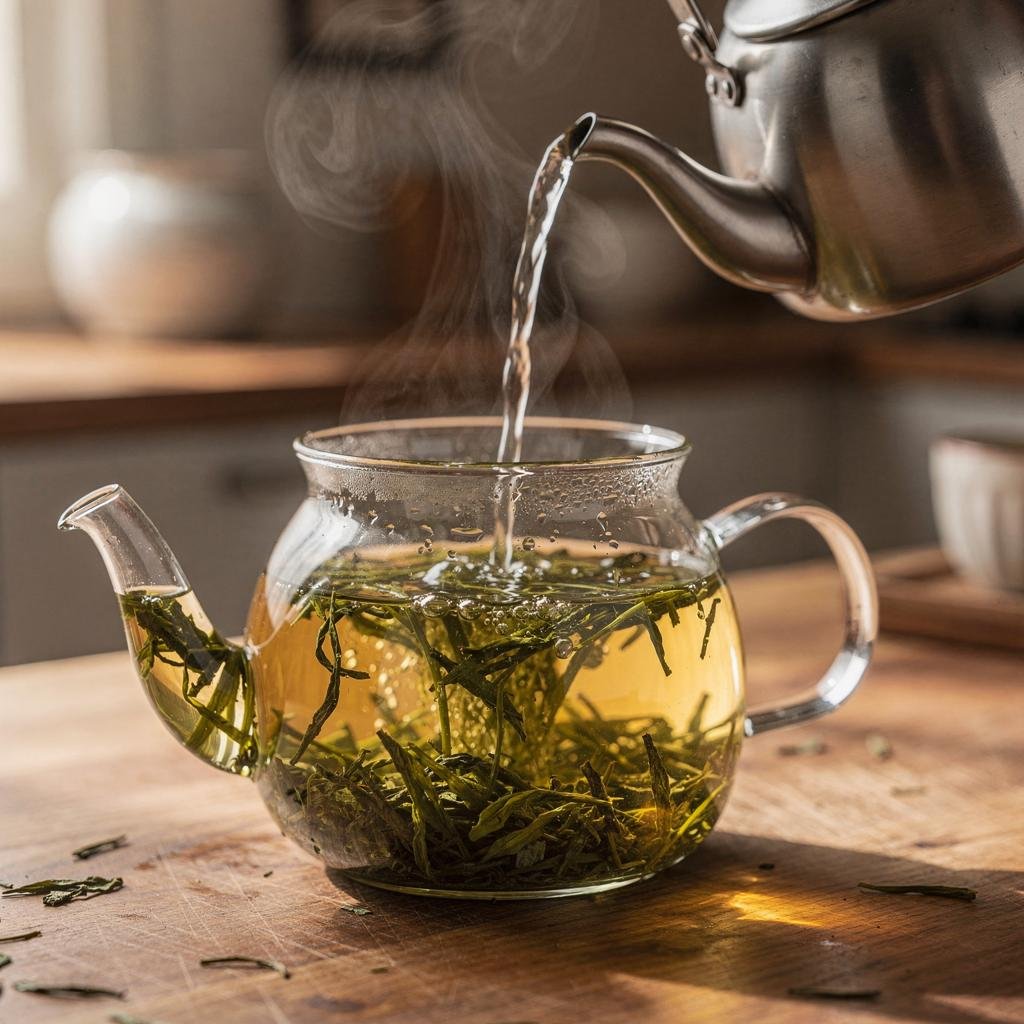
One of the most common mistakes is assuming that hotter water always makes better tea.
It doesn’t.
While some teas benefit from very hot water, delicate teas such as Darjeeling can become harsh when brewed with boiling water. Excessive heat can extract more tannins and other compounds from the leaves, creating a stronger bitter or astringent taste.
Try this instead:
For delicate black teas, allow freshly boiled water to cool slightly before pouring it over the leaves. A temperature around 85–95°C is often a good starting point.
The goal is to extract flavour — not overwhelm it.
Steeping for Too Long
More time doesn’t necessarily mean more flavour.
Tea leaves continue releasing compounds into the water as they steep. Leave them in for too long and the balance can shift from pleasant and aromatic to bitter and drying.
This is especially noticeable with loose-leaf tea, where the leaves have enough room to fully expand.
Try this instead:
Start with a steeping time of around 2–4 minutes, depending on the tea. Taste the brew and adjust the time according to your preference.
If the tea is too strong, shorten the next infusion rather than simply adding more water.
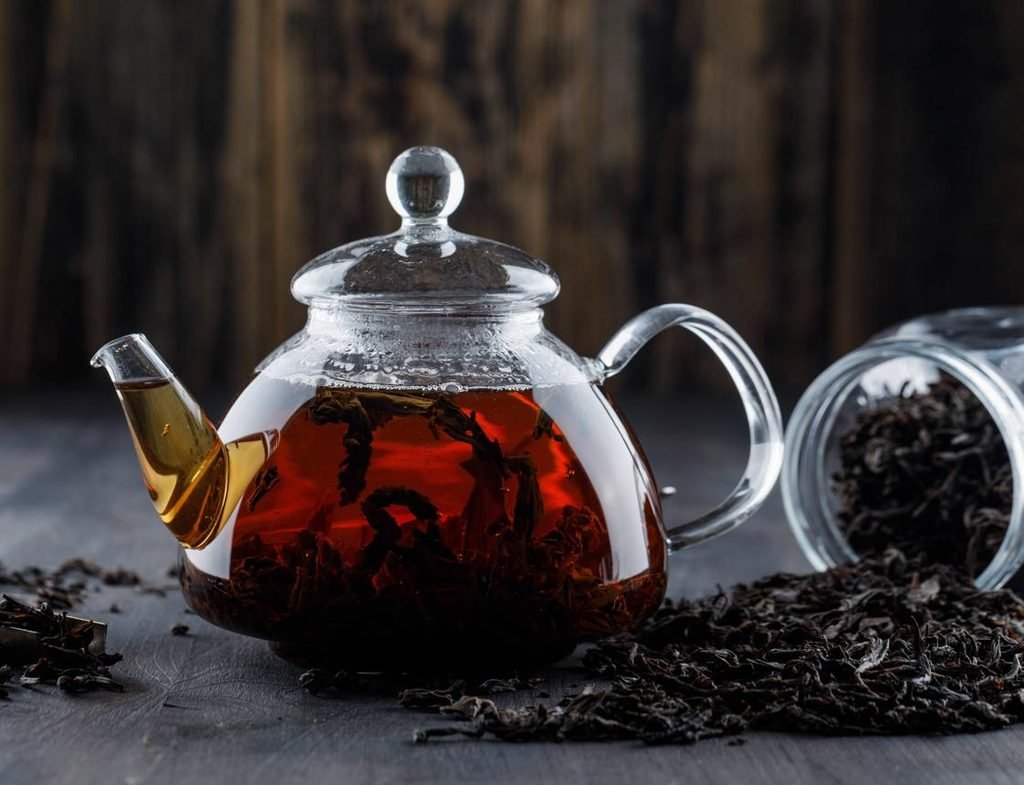
Using Too Many Tea Leaves
It can be tempting to add extra leaves when you want a stronger cup.
But more leaves can also mean a heavier extraction, which may bring out excessive bitterness and astringency.
Try this instead:
Begin with approximately 2–2.5 grams of loose-leaf tea per 200–250 ml of water. From there, adjust the quantity to your preferred strength.
If you want a more intense cup without making it harsh, experimenting with slightly more leaves and a shorter steep can often work better than dramatically increasing the brewing time.
Using Poor-Quality or Very Hard Water
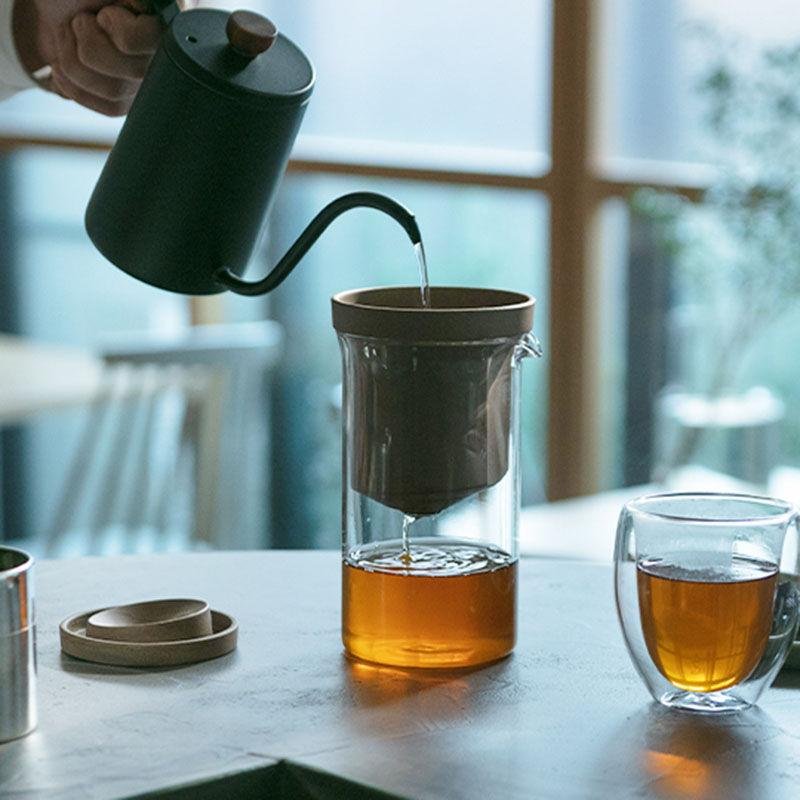
Tea is mostly water, so the quality of your water matters more than you might think.
Water with a strong mineral content can affect how tea tastes and may make delicate flavours seem flat, muted, or unbalanced. Water with a strong chlorine taste can also interfere with the aroma of the brew.
Try this instead:
Use fresh, clean drinking water with a neutral taste. Filtered water can be a good option if your tap water has a noticeable mineral or chlorine flavour.
And always start with fresh water rather than repeatedly boiling the same water.
Squeezing the Tea Bag or Leaves
We’ve all done it — lifted the tea bag and squeezed every last drop into the cup.
Unfortunately, that final squeeze can release a concentrated amount of tannins and other compounds, making the tea taste more bitter and astringent.
The same principle applies when aggressively pressing loose leaves against the side of your teapot or infuser.
Try this instead:
Simply remove the tea bag or lift the infuser and let the excess liquid drain naturally.
Sometimes, less really is more.
Brewing Without Considering the Type of Tea
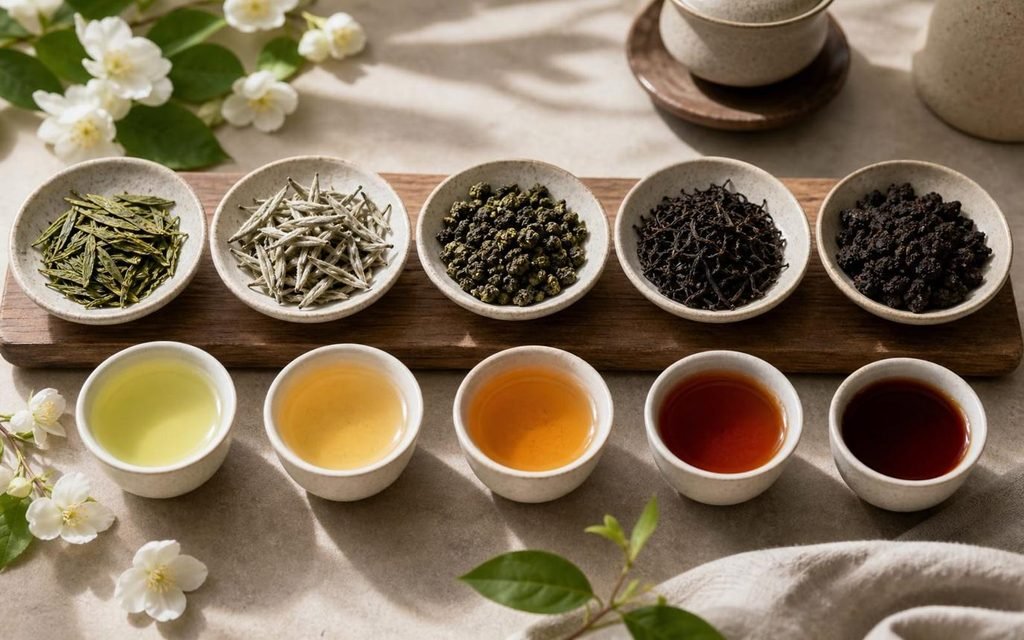
Not every tea should be brewed in exactly the same way.
A delicate Darjeeling First Flush, a robust Assam black tea, a green tea, and an herbal infusion all have different characteristics and brewing requirements.
Using the same boiling water and five-minute steep for every tea can easily lead to disappointing results.
Try this instead:
Think about the tea before you brew it.
Consider three simple variables:
- Water temperature
- Tea quantity
- Steeping time
Once you understand how these affect extraction, brewing becomes much more intuitive.
Leaving the Leaves in the Cup
With loose-leaf tea, one easy mistake is leaving the leaves in the water after the tea has reached the flavour you want.
Unlike a tea bag that is usually removed, loose leaves can continue infusing if they’re left inside your pot or cup.
The result? A brew that starts beautifully balanced but becomes increasingly strong and bitter as you drink it.
Try this instead:
Use an infuser or teapot that allows you to remove the leaves once the desired strength has been reached.
For teas that can handle multiple infusions, this also gives you the opportunity to discover how the flavour changes with each brew.
The Perfect Cup Is About Balance
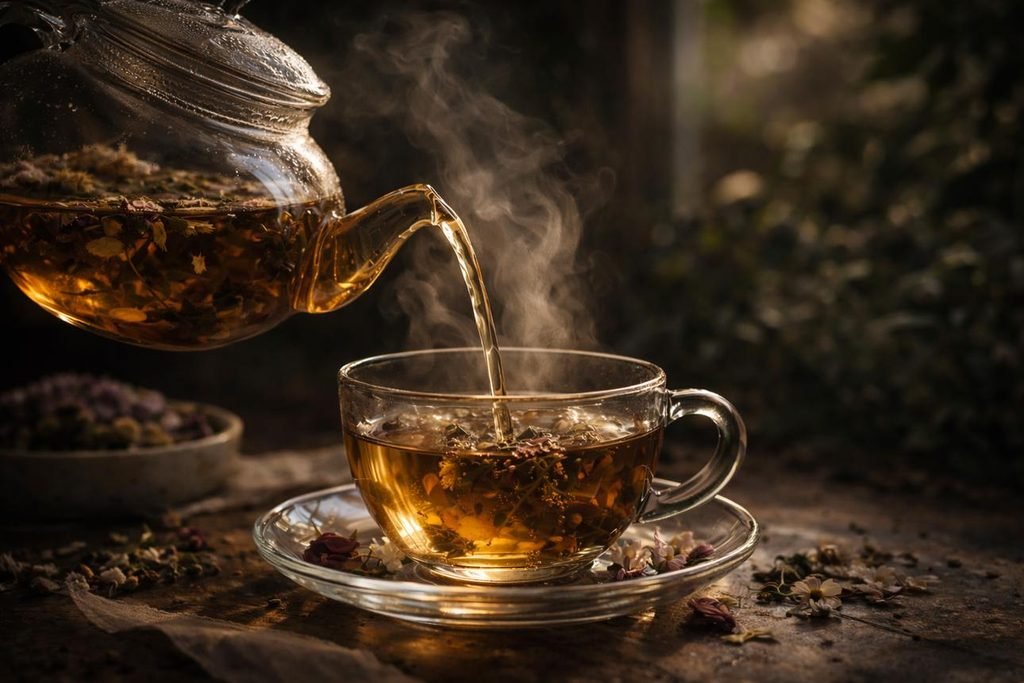
A great cup of tea isn’t necessarily the strongest cup.
The best brew is one where aroma, flavour, body, sweetness and astringency work together rather than competing with each other.
If your tea tastes bitter, don’t immediately assume the leaves are the problem. Start by changing one variable at a time.
Try slightly cooler water.
Shorten the steep.
Use a little less tea.
Change the water.
Small adjustments can make a surprisingly big difference.
A Simple Starting Point
For a delicate loose-leaf black tea such as Darjeeling, try:
Tea: 2–2.5 g
Water: 200–250 ml
Temperature: 85–95°C
Steeping time: 2–4 minutes
Then taste, adjust and make the next cup your own.
Because brewing tea isn’t about following one perfect formula.
It’s about finding the balance that lets the leaf speak for itself.
Brew Better. Taste More.
At Auryn, we believe every tea has its own character — and the right brewing method helps reveal it.
So the next time your tea tastes too bitter, don’t give up on the leaves.
Change the brew, not the tea.