
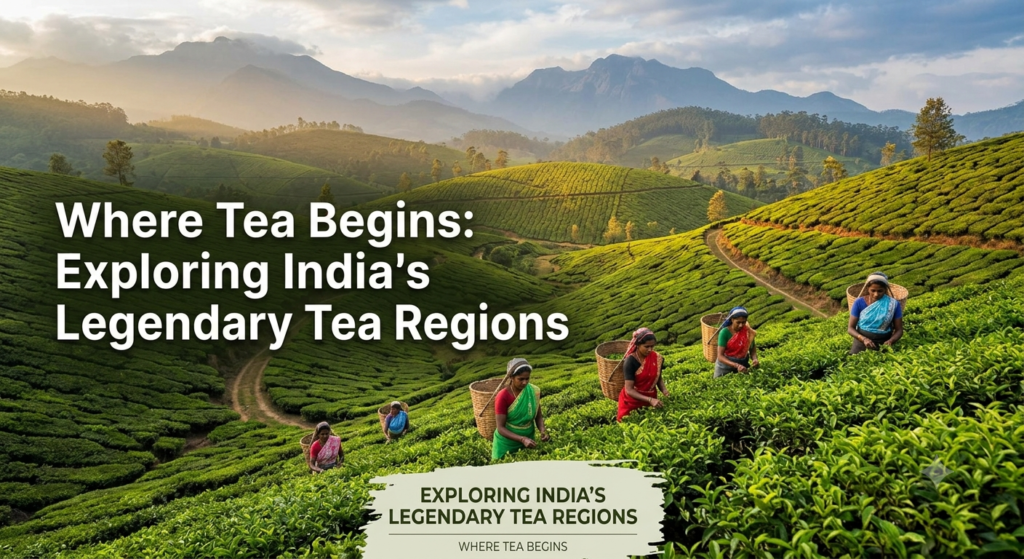
A Country Shaped by Tea
India and tea have a relationship that stretches across landscapes, climates and generations.
But Indian tea is far from being one single style.
The country is home to a remarkable range of tea-growing regions, each shaped by its own combination of altitude, climate, soil, terrain and cultivation practices. Tea Board India recognises several distinctive regional teas, including Darjeeling, Assam, Nilgiri, Kangra, Dooars-Terai, Sikkim and Tripura.
That diversity is what makes exploring Indian tea so fascinating.
A cup from the Himalayan foothills can feel completely different from one grown in the warm plains of Assam or the cool mountains of the Nilgiris.
The plant may be the same.The place tells a different story.
Darjeeling
The Tea of the Himalayas
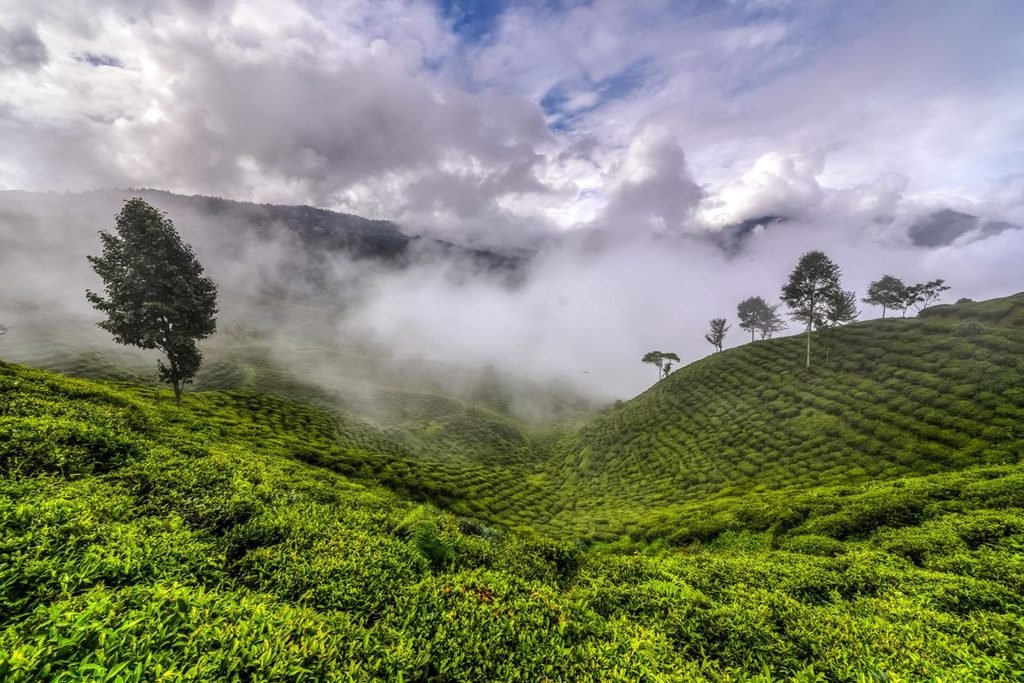
High in the hills of West Bengal lies Darjeeling, one of India’s most recognised tea-growing regions.
Darjeeling’s tea gardens are spread across mountainous terrain, with tea grown at elevations ranging from approximately 600 to 2,000 metres. The region’s altitude, climate, soil and careful processing all contribute to its distinctive character.
The resulting teas are often associated with an elegant aroma, lighter body and complex flavour.
Depending on the garden and harvest, you may encounter floral, fruity or muscatel-like characteristics.
Darjeeling also has a fascinating seasonal identity, with different flushes expressing different sides of the region.
The cup
Character: Delicate & complex
Aroma: Floral & aromatic
Body: Light to medium
Experience: Refined & layered
Best explored: Without milk, allowing the natural character of the tea to take centre stage.
Assam
Boldness from the Brahmaputra Valley
Travel east from the Himalayas and the landscape changes dramatically.
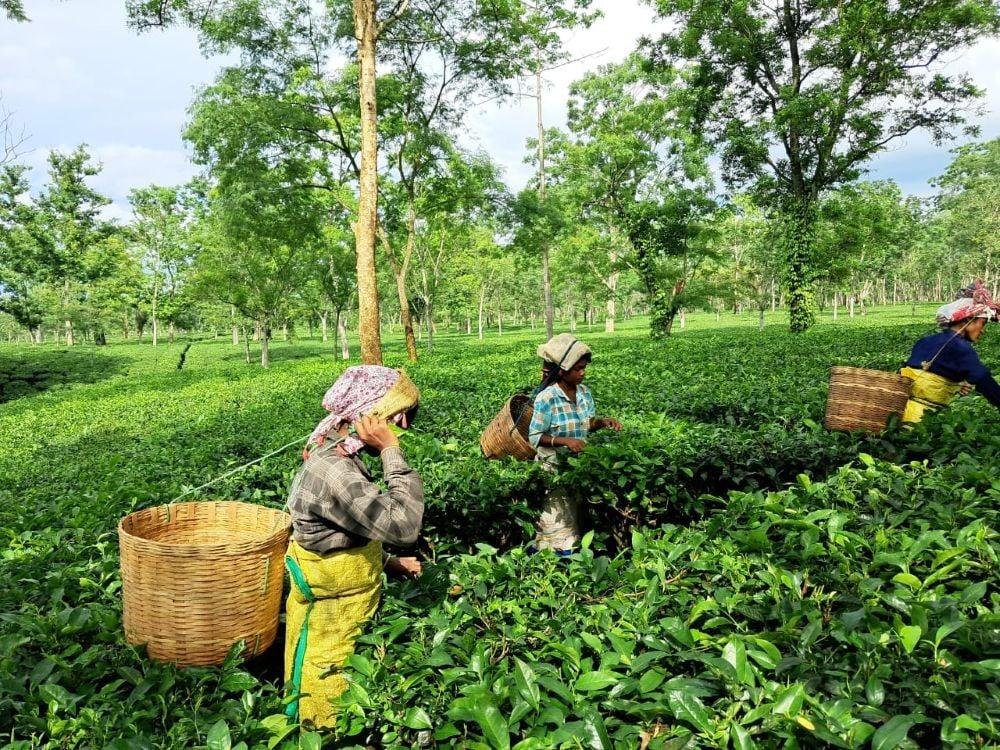
Assam’s tea-growing areas are primarily associated with the warm, humid plains of northeastern India. Tea Board India places Assam tea cultivation at relatively low elevations, around 45–60 metres above sea level.
The region is known for teas with a fuller body, rich colour and distinctive malty character.
Where Darjeeling can be delicate and aromatic, Assam often brings a deeper, more robust presence to the cup.
It is also particularly well suited to milk tea, making Assam an important part of the everyday tea experience for many drinkers.
The cup
Character: Bold & robust
Aroma: Rich & malty
Body: Full
Experience: Strong & warming
Best explored: With or without milk, depending on the tea and your preference.
Nilgiri
Tea from the Blue Mountains
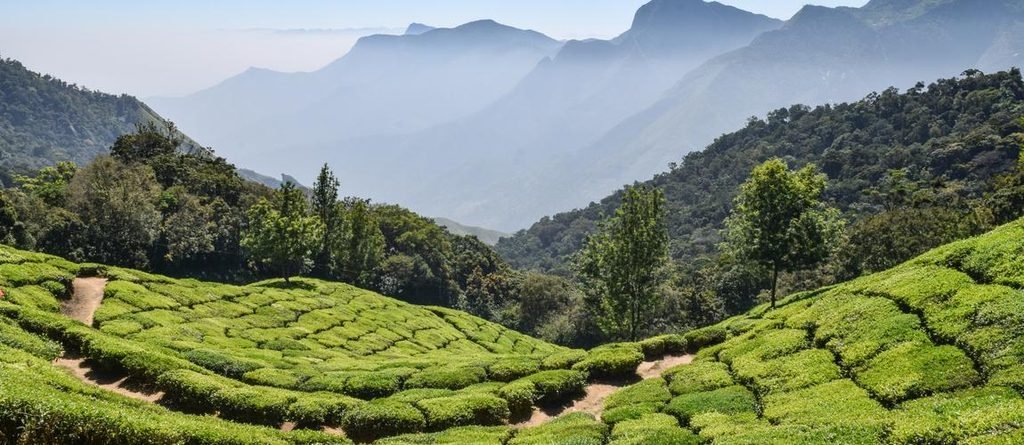
In southern India, the landscape changes once again.
The Nilgiris — or “Blue Mountains” — form one of India’s notable tea-growing regions. Tea Board India identifies both Nilgiri and Nilgiri Orthodox teas among India’s recognised regional teas.
The region’s elevated terrain and cool mountain environment create a tea experience distinct from both Darjeeling and Assam.
Nilgiri teas are often appreciated for their bright, fragrant character and versatility.
They can work beautifully as a refreshing cup on their own and are also commonly used in blends.
The cup
Character: Bright & balanced
Aroma: Fresh & fragrant
Body: Medium
Experience: Smooth & refreshing
Best explored: Hot, iced or as part of a blend.
Kangra
A Himalayan Tea Story
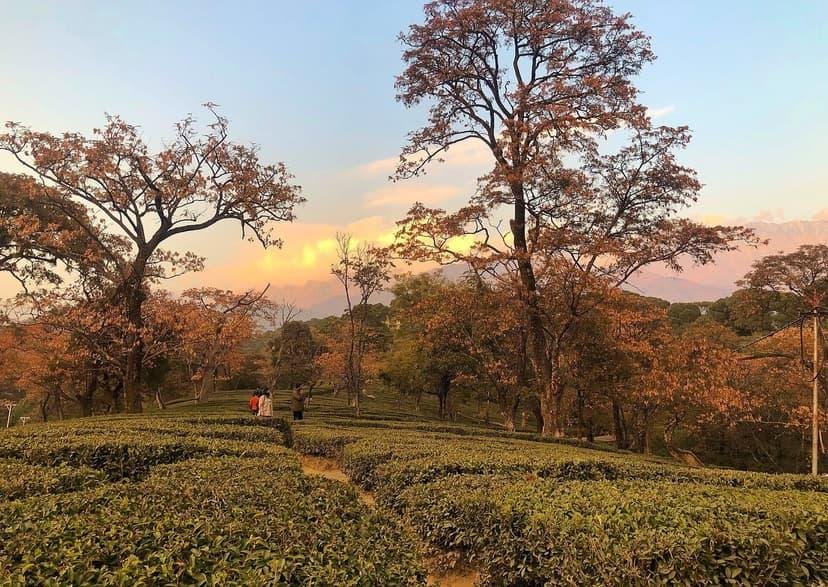
Further north, in Himachal Pradesh, lies the Kangra tea region.
Set against the Dhauladhar mountain range, Kangra is one of India’s smaller but distinctive tea-growing areas. Tea Board India identifies Kangra as a recognised regional tea and places its cultivation at elevations of approximately 900–1,400 metres.
Its mountain setting gives the region a character all its own.
For those interested in exploring beyond India’s most famous tea names, Kangra offers another perspective on what Indian terroir can express.
The cup
Character: Delicate & distinctive
Aroma: Fragrant
Body: Light to medium
Experience: Elegant & nuanced
Dooars–Terai
Tea Beneath the Himalayan Foothills
Not every tea story begins high in the mountains.
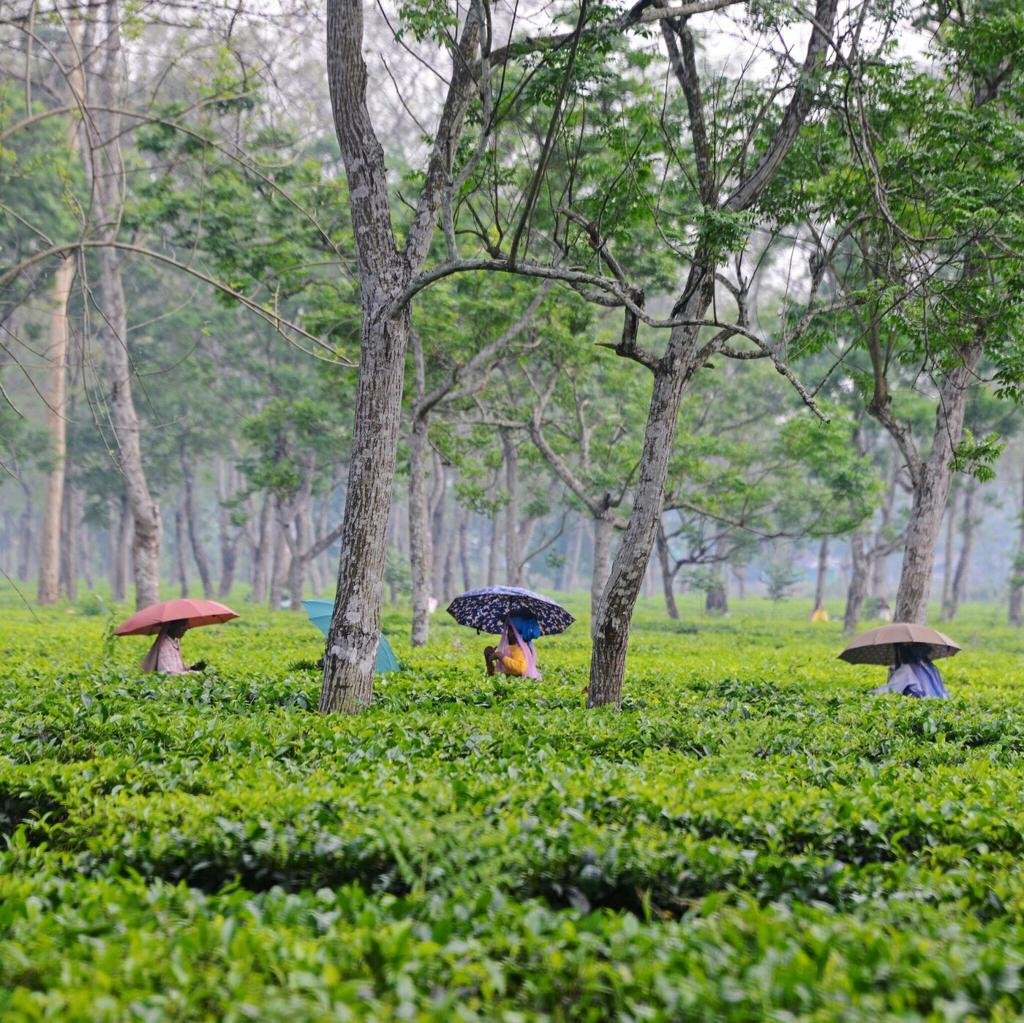
The Dooars and Terai regions lie around the Himalayan foothills of eastern India, creating a landscape quite different from the steep gardens of Darjeeling.
Tea Board India identifies Dooars-Terai as a distinct tea-growing region, with cultivation spanning a broad range of elevations.
The region’s tea is an important part of India’s tea landscape and demonstrates how dramatically tea character can change even between neighbouring areas.
The cup
Character: Rich & approachable
Body: Medium to full
Experience: Smooth & satisfying
Dooars-Terai is a reminder that the story of Indian tea extends well beyond the country’s most famous names.
Sikkim
Tea in the Eastern Himalayas
Sikkim brings another Himalayan dimension to India’s tea story.
Surrounded by some of the country’s most dramatic mountain landscapes, the region is also recognised by Tea Board India as a tea-growing origin.
Its teas offer an opportunity to explore a less familiar side of Indian tea — one shaped by the environment of the eastern Himalayas.
For curious tea drinkers, discovering regions such as Sikkim is part of the joy of looking beyond the familiar.
One Country. Many Expressions.
So, what makes Indian tea so diverse?
It comes down to place.
Altitude
Tea grown in mountainous terrain experiences different temperatures and growing conditions from tea cultivated in lowland regions.
Climate
Rainfall, temperature, humidity and seasonal changes all influence how the tea plant develops.
Soil
The growing environment contributes to the conditions in which the tea plant develops and can influence the resulting character.
Cultivation
How tea is grown, harvested and cared for is another part of its identity.
Processing
Once the leaf is picked, processing techniques help shape its aroma, appearance, body and flavour.
The result is an extraordinary range of teas from one country.